

If you’re reading this, the chances are you have been struggling with feeling overwhelmed, stressed or starting to feel burnt out.
Modern life can feel like we have a constant list of boxes we “should” be ticking off each week. With the pressure to try and keep on top of it all, whether that be internal or external, can feel like a lot to carry.
I’m Asher, the psychotherapist at Rootra, and I’m writing this to help you understand what might be going on for you right now, and what can actually help when things start to feel a bit too much.
Why do so many of us feel like this?
There’s often this underlying pressure running in the background of our lives:
Excel in your work.
Start a family.
Maintain good friendships.
Find a stable partner.
Exercise regularly.
Avoid unhealthy processed foods.
But don’t be too strict with yourself.
Use this supplement to feel more calm.
But don’t use too many supplements, you need to be careful what you’re putting in your body.
Don’t do too much.
But also don’t fall behind.
Make sure you rest.
But don’t miss out.
It. Is. A. Lot.
And it’s draining.
Over time, trying to hold all of that can leave you feeling stretched thin, like you’re constantly “on”, constantly trying to keep up, but never quite feeling on top of things.
It’s no surprise so many of us find ourselves swinging somewhere between stress and burnt out.
So, what is stress?
Stress is that feeling of everything being a bit too much.
It tends to show up when the demands on you feel greater than your ability to cope in that moment. You might feel you’re overworked and struggling to prioritise.
Stress can impact us in many ways, in how we feel, how we think, what we do and how our body responds.
You might notice your mind racing, overthinking things, second-guessing yourself, or struggling to switch off. You might feel more irritable, anxious, or on edge. In your body you might notice muscle tension, headaches, and that constant “wired” feeling. You might find yourself unable to concentrate, drinking more or have difficulty falling or staying asleep.
However, it’s important to say here that stress isn’t always a bad thing. Sometimes it can give us a push, or highlight that something in our life needs attention.
But when it’s constant, and there’s no real break from it, that’s when it can start to wear you down.
And what about burnout?
Burnout is the feeling you get when that stress has been there for a while, without enough time or space to recover.
Just like stress, burnout can impact how we feel, how we think, what we do and how our body feels. But instead of feeling overwhelmed, burnout often feels like the opposite.
Flat. Drained. Detached. A sense of low productivity, hopelessness, or negativity.
You might notice a lack of energy, low motivation, or things you’d normally care about just don’t feel the same anymore. Even the small tasks feel heavy. You might find yourself calling in sick from work, feeling unwell or wanting to isolate yourself from the world. Maybe feeling like you just don’t have much left to give.
Burnout can also come with a lot of guilt, like you “should” be able to cope better or do more than you currently can.
What’s the difference?
A simple way to think about it is:
Stress feels like too much.
Burnout feels like nothing left.
Both are difficult - just in different ways.
Take a moment here to reflect on your week, and ask yourself where you are right now.
If you’re recognising yourself in this… what can actually help?
You don’t need to dramatically change your whole life overnight.
But small, realistic shifts can start to take some of that pressure off.
One thing I want to say here is that even reading a list like this can sometimes feel like “more things to do”, especially if you’re already feeling close to burnout.
If that’s the case, try not to approach this as a checklist. Take what feels supportive, and let yourself leave the rest. Rest itself is part of the process too. So please go gently with yourself as you read this.
Understand how stress and burnout show up for you
This is about building self-awareness so you can notice things earlier, before they build up further.
Have a look back through the symptoms in this article and see what resonates.

Notice your triggers
A lot of the time we just push through and we don’t often stop, and check-in with ourselves.
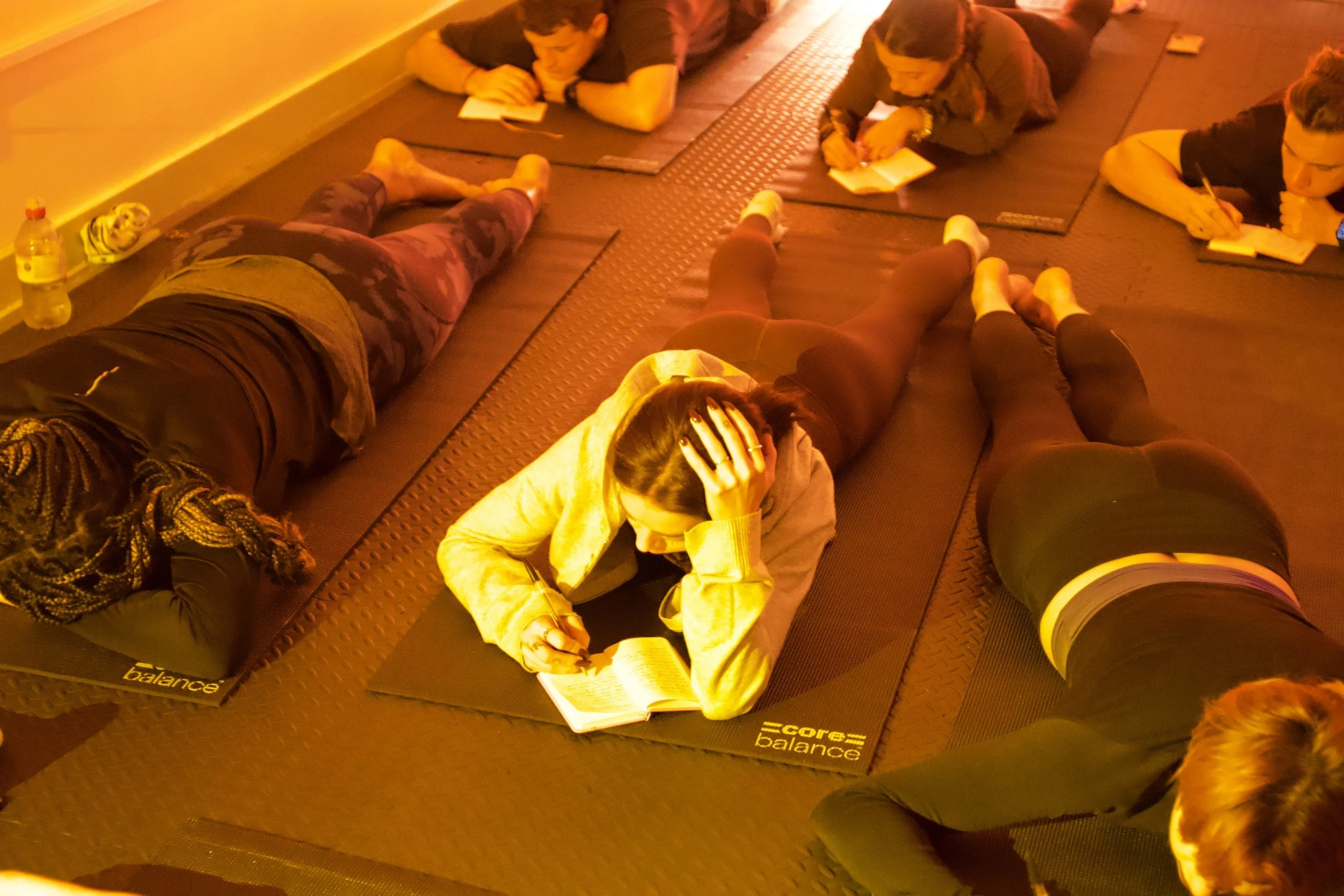
Journaling can be really helpful here. When you notice any of these feelings coming up, try writing things down.
Try and ask yourself:
What am I feeling?
What’s contributing to this?
What do I need?
You might be thinking “I don’t have time to journal when I’m already stressed”… and I get that.
But even five minutes to get things out of your head and onto paper can help you untangle what’s going on. Often the thoughts are already there, they just feel like a mess until you slow down and look at them.
Sometimes burnout can also bring a lot of guilt or self-criticism, especially when things start to feel unmanageable. Journaling can help you notice those thoughts, rather than getting stuck in them, and begin to soften that internal pressure.
Talking to someone about it
You’ve probably heard this before, but talking really does help.
When everything stays in your head, it can build up quickly and start to feel heavier than it actually is.
This might be with a friend or family member, but sometimes it’s hard to feel fully heard, or to say everything you actually want to say.
This is where therapy can feel different.
Having a space that’s just for you, where you can offload, be listened to properly, and start to make sense of things, can be a real shift.
Having a weekly space to explore your thoughts and feelings can be really valuable in reducing overwhelm by understanding yourself more, notice patterns and find ways of coping that actually work for you.

Try to take some pressure off your day
When you’re stressed, everything can feel like it needs your attention right now. But the reality is… not everything does.
Trying to prioritise what actually matters, breaking things into smaller steps, and giving yourself permission to pause can make things feel more manageable. This is especially important if you’re feeling burnt out.
Even something simple like writing a short to-do list can help. Not a huge overwhelming one, just a few key things. It can be the difference between a chaotic day and one that feels a bit more manageable and purposeful.
There’s also a reason it feels so good to tick things off - it physically alters your brain by releasing dopamine, giving a sense of reward and motivation to keep going.
Something I often suggest (and do myself) is adding small, non-work things to that list too, like “reply to a message” or “do the washing”.
More structure, more organisation and more momentum.
It might sound basic, but ticking things off can genuinely help when everything feels a bit chaotic.

Meditation and mindfulness
Some people find that meditation really hard - and I get it.
When people hear “meditation”, they often think it means sitting still, eyes closed, listening to music and trying to clear your mind. And if that works for you, that’s great.
But when you’re already feeling stressed, that can feel almost impossible.
Meditation doesn’t have to look like that.
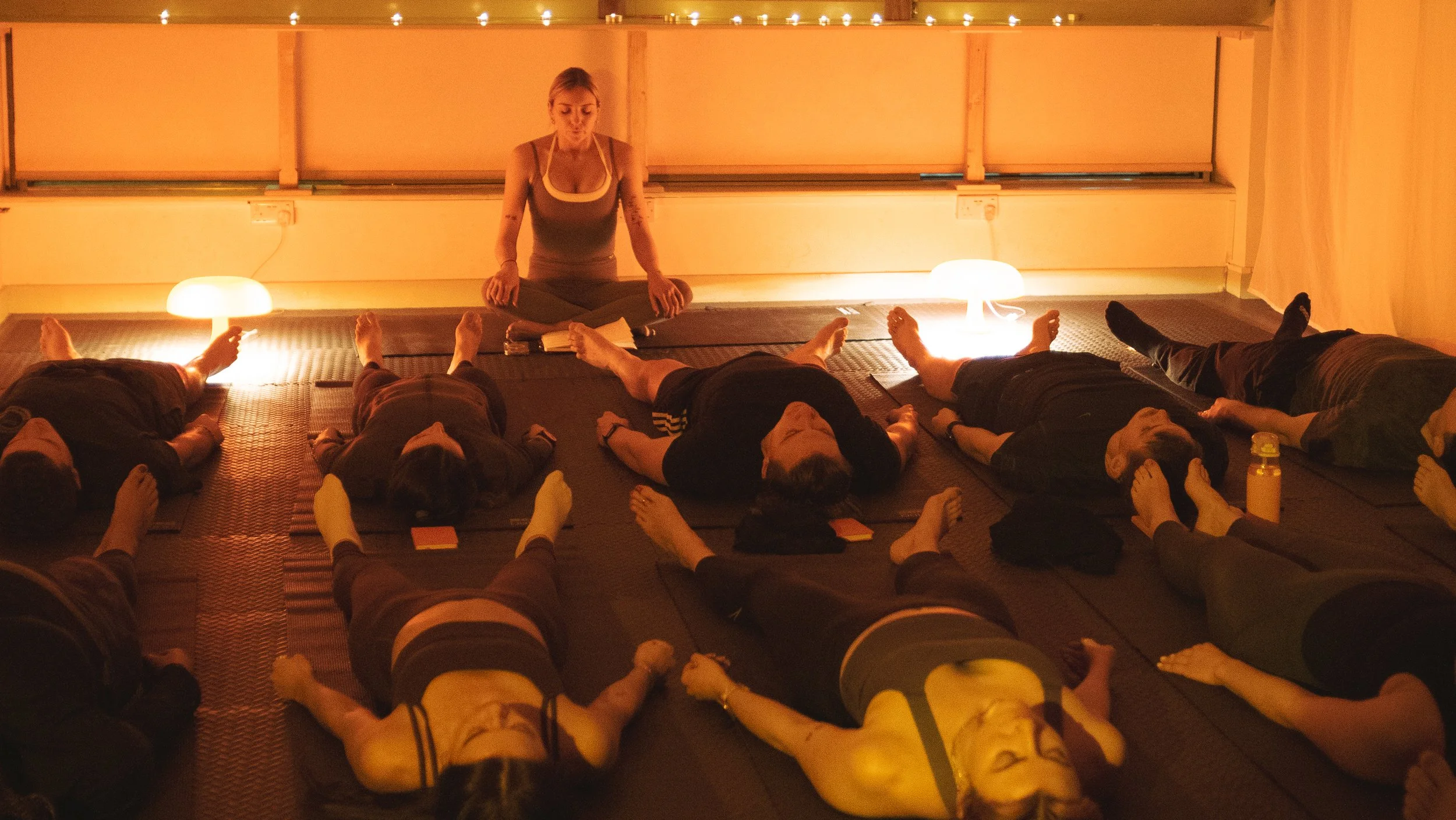
At its core, it’s just about focused attention.
This is something that’s helped me a lot personally - and it doesn’t have to take long.
It could be doing anything that stops your mind focusing on what you’re stressing about. For example:
Making a cup of tea and actually focusing on it
Going for a walk and noticing what’s around you
Cooking and being fully present with what you’re doing
Even doing the washing and noticing the feeling of the warm water on your hands.
You might hear yourself thinking, “but when am I going to find the time to meditate?”
The science actually suggests that even 5 minutes of bringing your attention back to the present can be enough to help regulate your nervous system.
A simple grounding tool you can try is the 5-4-3-2-1 method:
5 things you can see
4 things you can hear
3 things you can touch
2 things you can smell
1 thing you can taste.
It sounds simple, but it can really help settle your system when you are feeling stressed or burnt out.
A final thought
Stress is something most of us experience at some point - but it’s not something you have to keep pushing through until you’re completely exhausted and burnt out.
Sometimes just understanding what’s going on for you is the first step.
If this resonates with you and you’re feeling like things have been building for a while, it might help to talk it through with someone.
I offer a free initial call where we can explore what’s going on for you and see whether working together feels like the right fit - no pressure, just a conversation.
You don’t have to figure it all out on your own.
