

Person-Centred Therapy in London
rootra:therapy with Asher Houston
A dedicated, personal space to help you to feel like yourself again.
I offer 1–1 counselling for people who feel mentally exhausted, stuck in their thoughts, or disconnected from themselves.
Constantly overwhelmed by your thoughts
Emotionally exhausted but still pushing through
Guilty for putting yourself first
Responsible for how other people feel
Stuck in patterns of overthinking or people-pleasing
Anxious about how others perceive you
Disconnected from yourself and your own needs
Unable to fully switch off or relax
If any of this resonates with you, this can be a space where you no longer have to carry it all alone.
Perhaps you’ve been feeling…
About rootra:therapy
Hi I’m Asher, the psychotherapist at Rootra.
I believe everyone deserves a space to pause, offload, and reconnect with themselves, not just in moments of crisis, but in the everyday build-up of life.
Life can feel busy, overwhelming, or just… constant. Having a dedicated space each week to pause, reflect, and reconnect with yourself can make a real difference.
May of the people I work with are functioning in life, but totally mentally exhausted. Many of my clients struggle with overthinking, people-pleasing, self-doubt, low self-worth, or just feeling a little lost.
What does therapy with me feel like?
In our sessions, you might begin to notice:
A sense of slowing down, sometimes for the first time in a while
Feeling heard and understood without needing to filter yourself
Being able to say things out loud you usually keep in
Less pressure to get things “right” or explain yourself perfectly
Over time, this can lead to:
Feeling calmer and more grounded
Less caught in cycles of overthinking or guilt
A growing sense of self-trust and confidence
Being able to set boundaries with more ease
Most importantly, you begin to feel more like yourself... not the version shaped by pressure or expectations, but the one underneath it all.
Reaching out to start therapy can feel like a big step, especially if you’re used to putting others first.
If something in this resonates with you, you’re very welcome to get in touch, with no pressure to commit.
A little about how I work
Modern life disconnects us from ourselves.
Therapy gives us permission to reconnect.
That's why I became a therapist.
I wanted to offer a space where you don't have to keep pushing, performing or holding everything together. A space where you can pause and make sense of what's happening.
I’m BACP registered person-centred counsellor, but I can also offer other techniques to best suit your needs.
Every person who comes to therapy is different, so the way we work together is too.
For some people, simply having a space to talk and process together is enough.
For others, it helps to gently explore patterns, understand why they keep showing up, or bring in practical CBT tools, mindfulness, meditation or reflective journaling alongside our conversations.
Alongside therapy, I've become increasingly interested in the connection between our minds, bodies and nervous systems, which has led me to also train as a yoga teacher.
If you've read this far and something has resonated with you, I’d love to hear from you to book your introduction call.
There is no pressure or no expectations from this call, just a chance to see if we feel like the right fit.
What’s Included?
A free 15-minute exploration call.
£70 per session (concessionary rates offered) offer online or in Bank, London.
This can include Person-Centred Therapy, Cognitive Behavioural Therapy resources, meditations and journaling practices.
To contact me directly, please email: therapy@rootra.co.ukor text, call or WhatsApp me at 07562108890
Alternatively, you can book your free exploration call following the link below.
If anything on this page has struck a chord with you, you’re very welcome to reach out.
I’d be happy to support you.
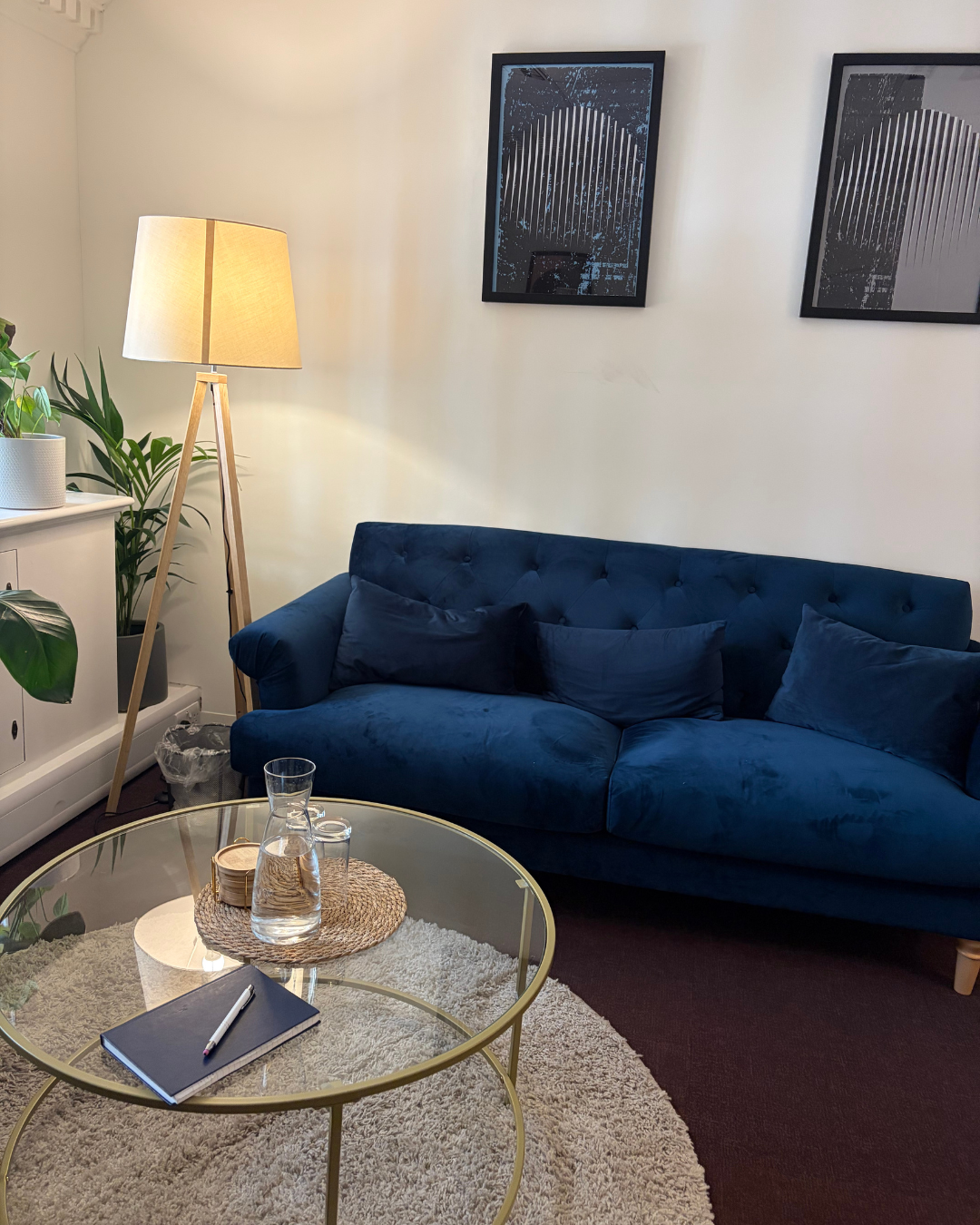
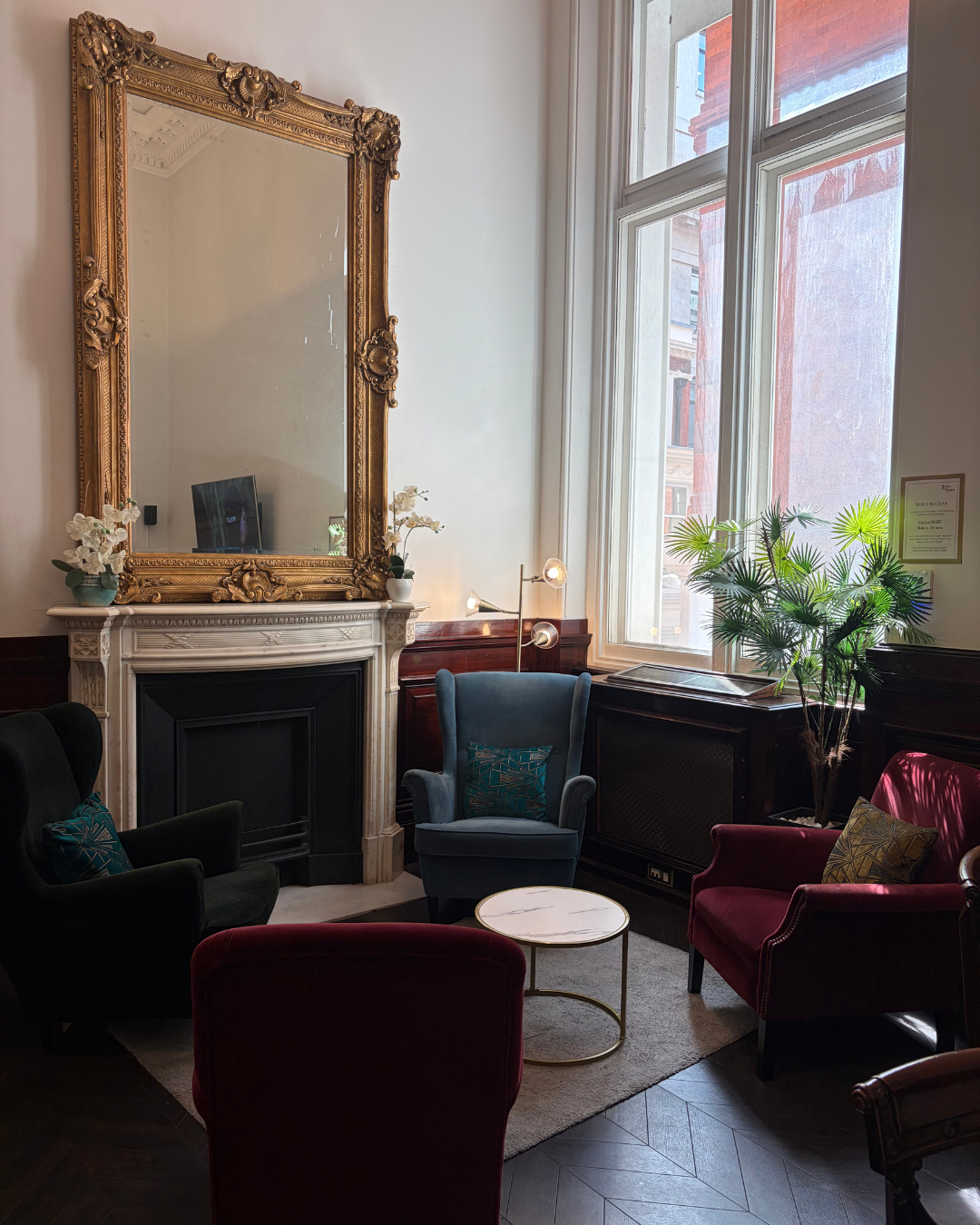
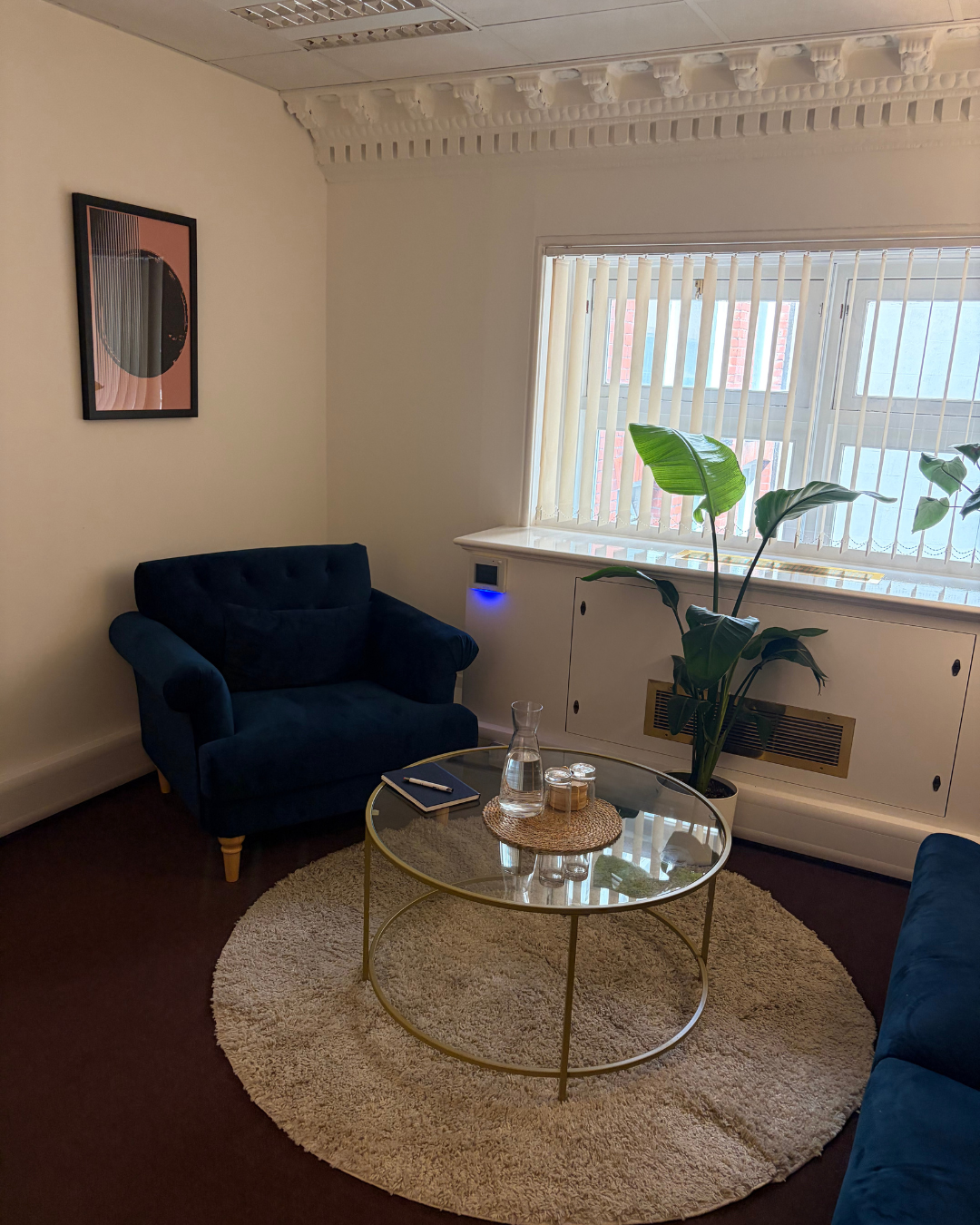
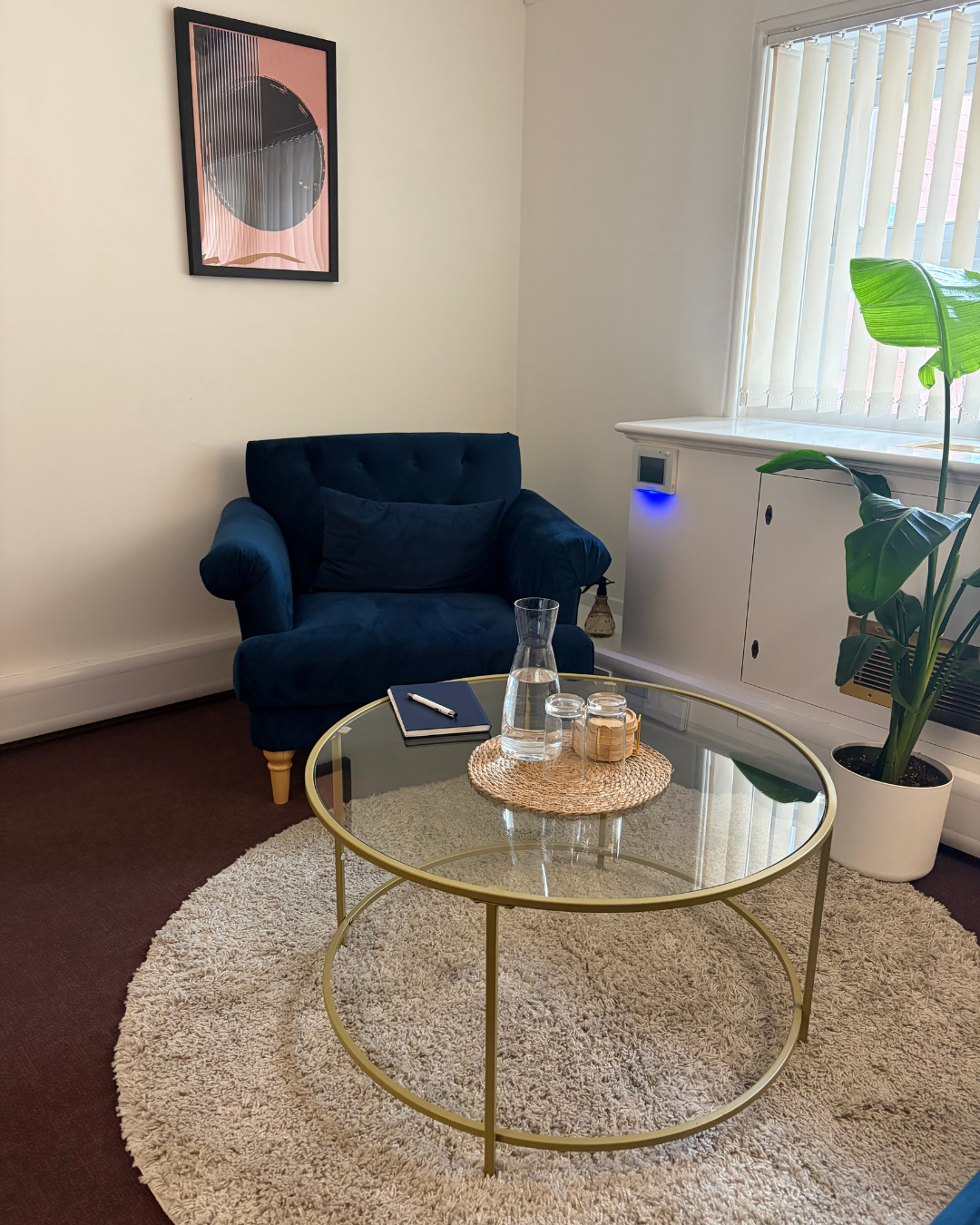
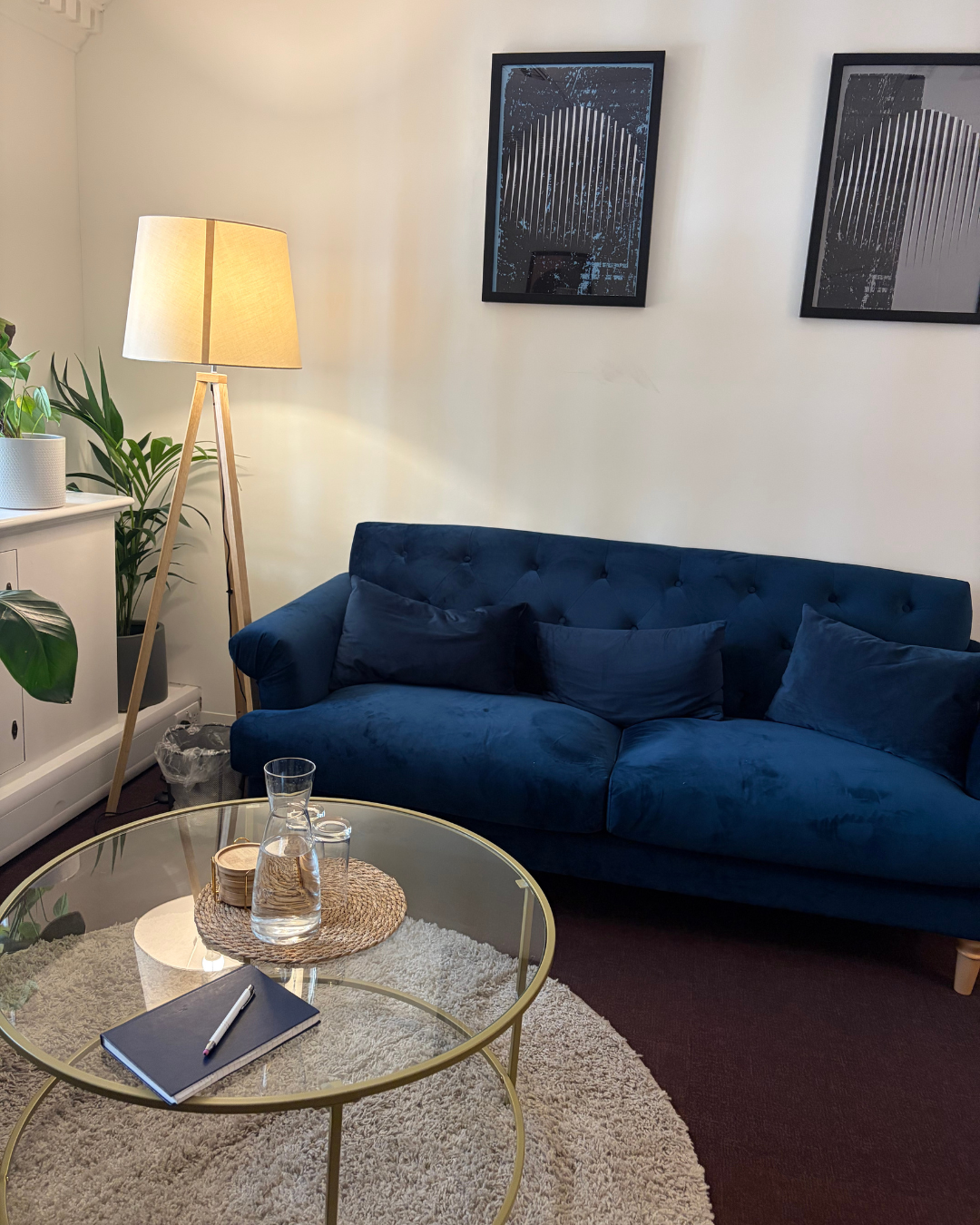
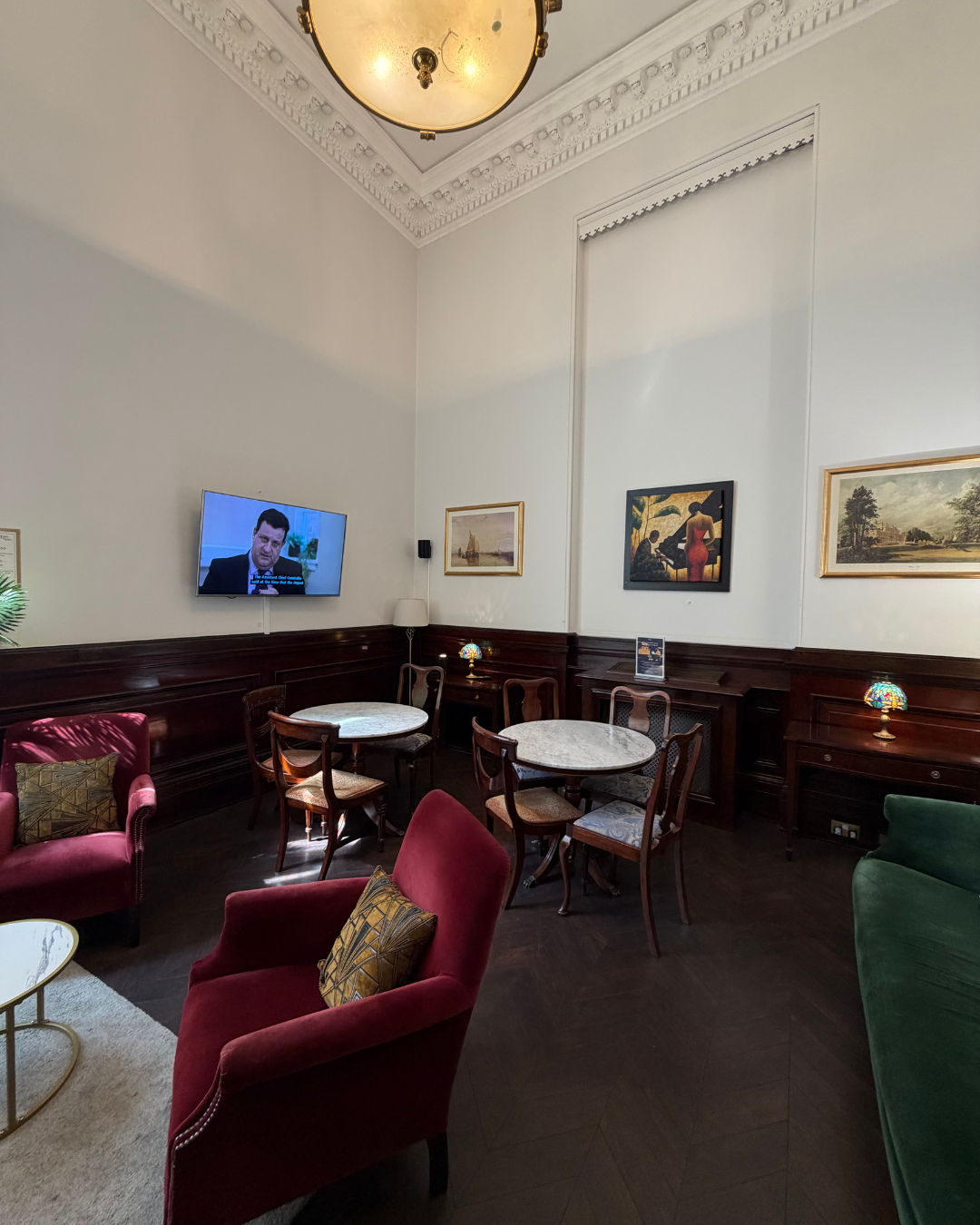
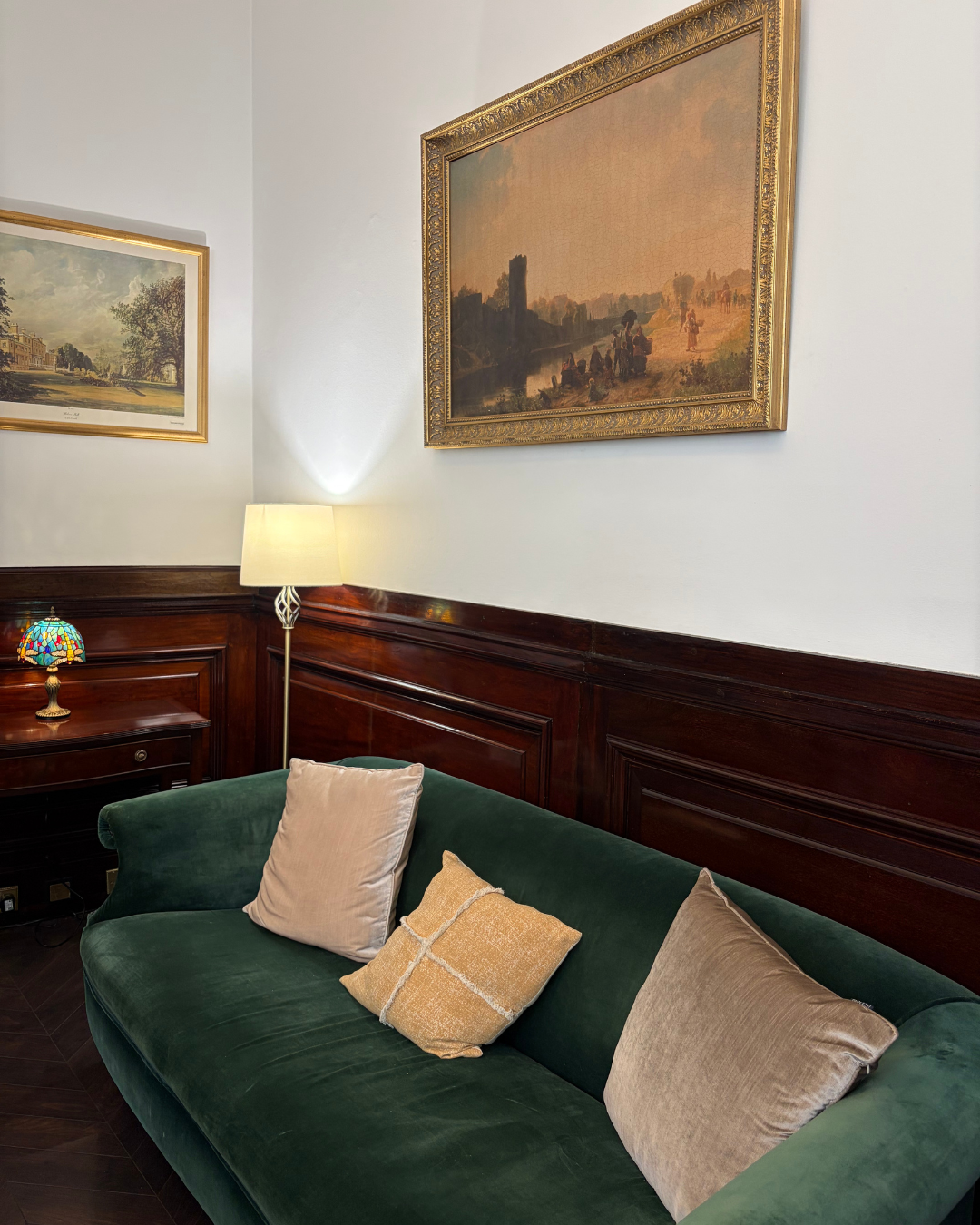
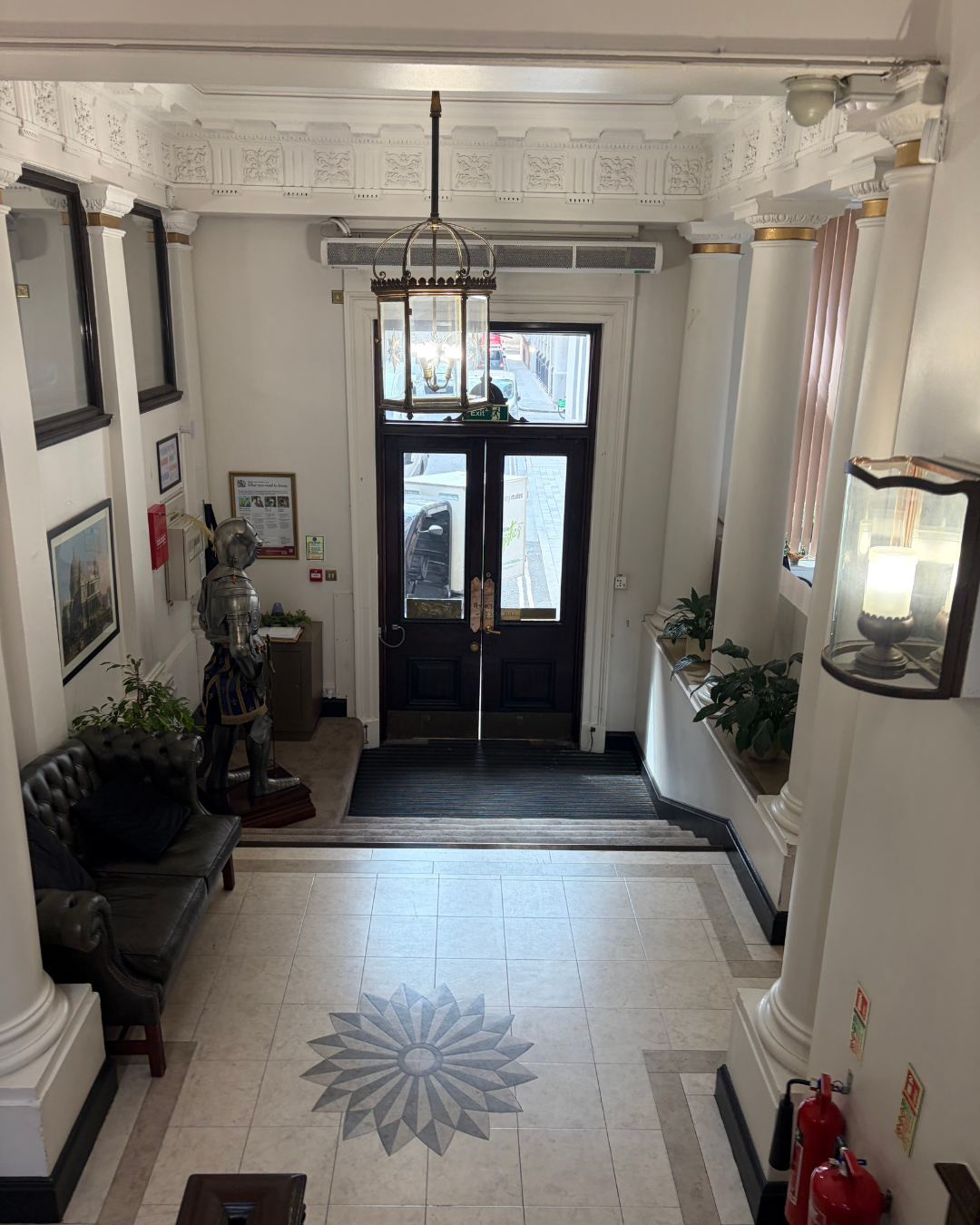
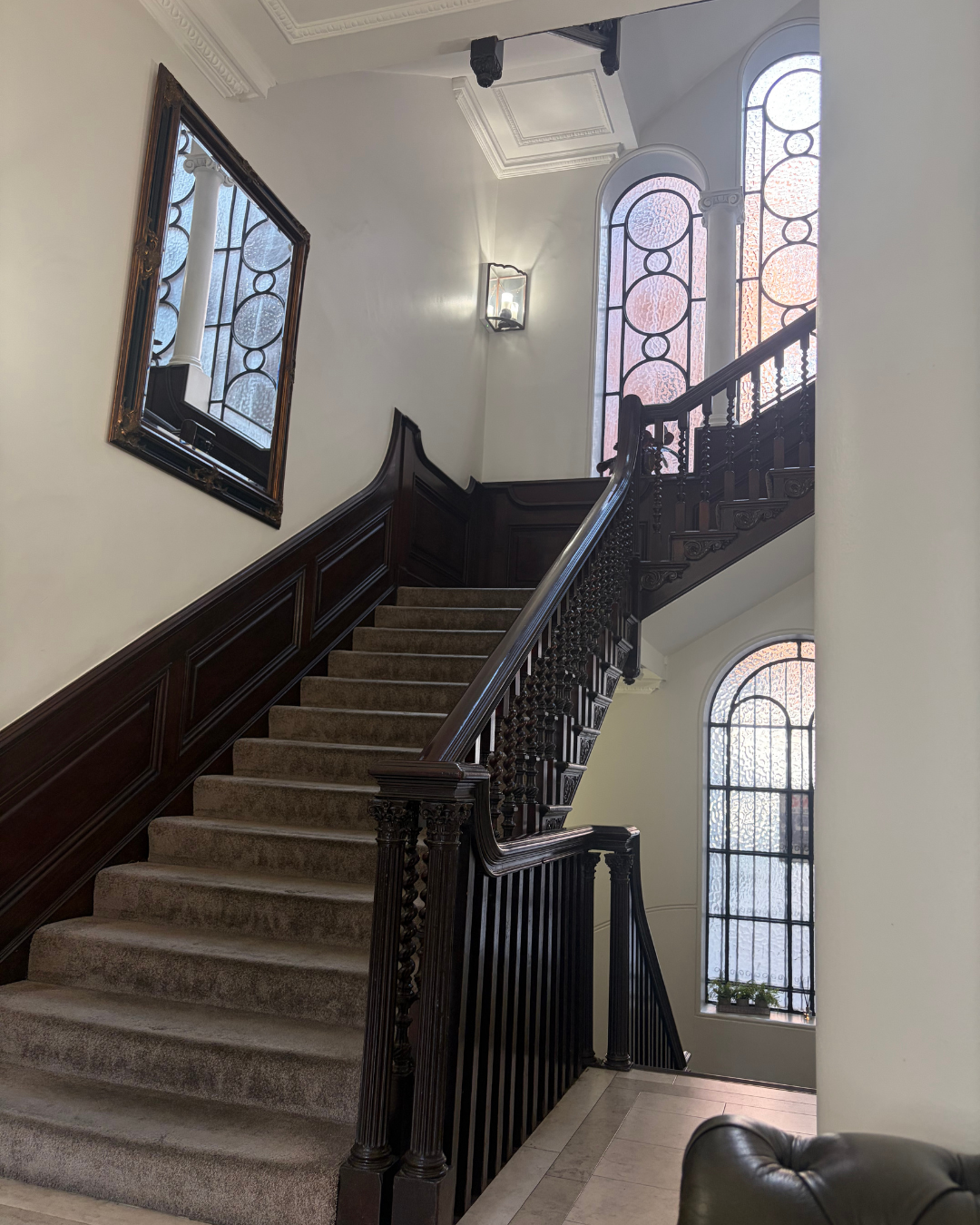
My therapy room
11-12 Token House, Tokenhouse Yard, London EC2R 7AS
I offer face to face session in Bank, London (just a short 4 minute walk from Bank Station)
This is a beautiful building that was once the Queen’s stock market building. It’s full of character and instantly makes you feel calm and safe as soon as you walk through the door.
Please view photos below.
I also offer telephone and video therapy if this suits you better.
Contact me
Whatsapp, text or call: 07562 108890
Email: therapy@rootra.co.uk
Taking the first step
1. Free introductory call
We’ll begin with a free 15-minute introductory call, giving you space to ask any questions, share a little about what’s bringing you to therapy, and get a sense of whether working together feels right for you.
There’s no pressure to commit; we can go at your pace.
2. Your first session
If you decide to move forward, we’ll arrange your first therapy session together.
The first session is a gentle space to begin exploring what’s been going on for you, at a pace that feels comfortable.
See below for a free downloadable document to help to feel a little more prepared before your first therapy session.
3. Ongoing support
Therapy is a collaborative process, and there’s no “right” length of time to stay in therapy. Some people come for short-term support around a specific issue, whilst others choose longer-term therapy for deeper self-exploration and ongoing support.
Sessions are usually weekly and always tailored to your individual needs.
Your free first session guide
If you haven’t had therapy before, it can feel quite daunting reaching out. So I’ve created a free first session guide to help you feel a little less worried and little more prepared.
Click the link below to download your first session guide.
A note on safety
Rootra Therapy is not a crisis or emergency service.
If you are currently experiencing thoughts of harming yourself or others, feel unable to keep yourself safe, or are in immediate distress, this service may not be the right support at this time.
In these situations, we encourage you to contact your GP, NHS 111, your local crisis team, or emergency services by calling 999. You may also find it helpful to reach out to trusted support such as Samaritans (116 123).
If you are unsure, it can be discussed during a free exploration call to help you find the most appropriate support.



FAQs
-
Person-centred therapy is a gentle, collaborative approach that focuses on you - your experiences, your pace, and what feels important to explore.
Your therapist will offer empathy, understanding, and a safe space to help you make sense of your thoughts and feelings.
It’s a deeply human, empowering way of building self-awareness, clarity, and confidence from the inside out. -
Yes. It can be hard fitting in time for yourself in our busy lives, so having 1-1 sessions held online, by video or telephone, makes it more accessible and realistic.
-
Every therapy journey starts with a free 15-minute exploration call. You can book your spot directly through our online booking page: choose “Rootra Therapy”, select the date that works for you and complete the simple intake form to book yourself in. If all the sessions are full, you can contact therapy@rootra.co.uk and I will let you know via email when more sessions are released. For any help with bookings, just drop me an email and I’ll be happy to help!
-
In our first session together, you can expect a calm, supportive space where you are led through gentle exploration - you talk about whatever feels important on that day.
You can access a free first session guide here to help ease any worries you may have before you start therapy.
-
Sessions are £70 per session. This includes 50 minute sessions, with optional resources to take home with you; for example, a meditation recording or CBT tools and techniques.
-
Yes. Everything shared within therapy is kept confidential and held within a safe, professional and ethical framework.
There are, however, a small number of legal and ethical exceptions to confidentiality, such as if there is serious risk of harm to yourself or others, or where required by law. If this ever needed to be discussed, I would always aim to do so openly and collaboratively with you where possible.
We will go through confidentiality and the therapy agreement together before beginning, so you have space to ask any questions and feel fully informed.
-
Overthinking is often your mind’s way of trying to protect you. When we’ve experienced stress, criticism, rejection, or felt responsible for keeping others happy, our brains can become hyper-alert to getting things “wrong”.
You may find yourself replaying conversations, analysing decisions, or worrying about how others perceive you, not because there is something wrong with you, but because your nervous system has learnt to stay on high alert.
Therapy can help you understand the deeper roots of overthinking and begin building a more compassionate, trusting relationship with yourself.
-
Yes. Therapy can help you gently explore where people-pleasing patterns may have developed and why it feels difficult to prioritise your own needs.
Many people who struggle with people-pleasing fear disappointing others, creating conflict, or being perceived negatively. Over time, this can become emotionally exhausting and lead to feelings of anxiety, burnout, or losing connection with yourself.
Therapy offers a space to better understand these patterns, strengthen self-worth, and begin setting boundaries with less guilt and more confidence.
-
Emotional exhaustion can build gradually over time, especially when you are constantly managing stress, overthinking, carrying responsibility for others, or pushing your own needs aside.
Sometimes people appear to be coping on the outside whilst internally feeling overwhelmed, mentally busy, and unable to fully switch off.
Feeling emotionally exhausted does not necessarily mean something is “wrong” with you. Often, it can be a sign that you have been carrying too much for too long without enough space to pause, process, or be supported yourself.
-
Feeling responsible for other people’s emotions can often develop from earlier life experiences, relationships, or environments where keeping others happy felt important or emotionally safer.
Whilst caring deeply for others is not a bad thing, constantly prioritising everybody else’s needs above your own can become overwhelming and leave little space for yourself.
Therapy can help you begin recognising where these patterns come from, build healthier boundaries, and learn that you are allowed to care for others without carrying the full weight of their emotions.
-
Not at all. Many people come to therapy not because they are in crisis, but because they feel overwhelmed, emotionally stuck, disconnected from themselves, or simply tired of coping alone.
Therapy can be a space to pause, reflect, and better understand yourself before things reach breaking point. You do not need to be at your “worst” to deserve support.
Sometimes therapy is simply about having a consistent space that is entirely yours.
-
Struggling to switch off is often linked to anxiety, stress, overthinking, or feeling emotionally responsible for everything around you.
For many people, slowing down can actually feel uncomfortable at first. When your mind has become used to constantly thinking, planning, worrying, or staying productive, rest can feel unfamiliar or even guilt-inducing.
Therapy can help you understand what may be sitting underneath the constant mental clutter and support you in developing a calmer, more compassionate relationship with rest, yourself, and your emotions.
Discover our other services
-
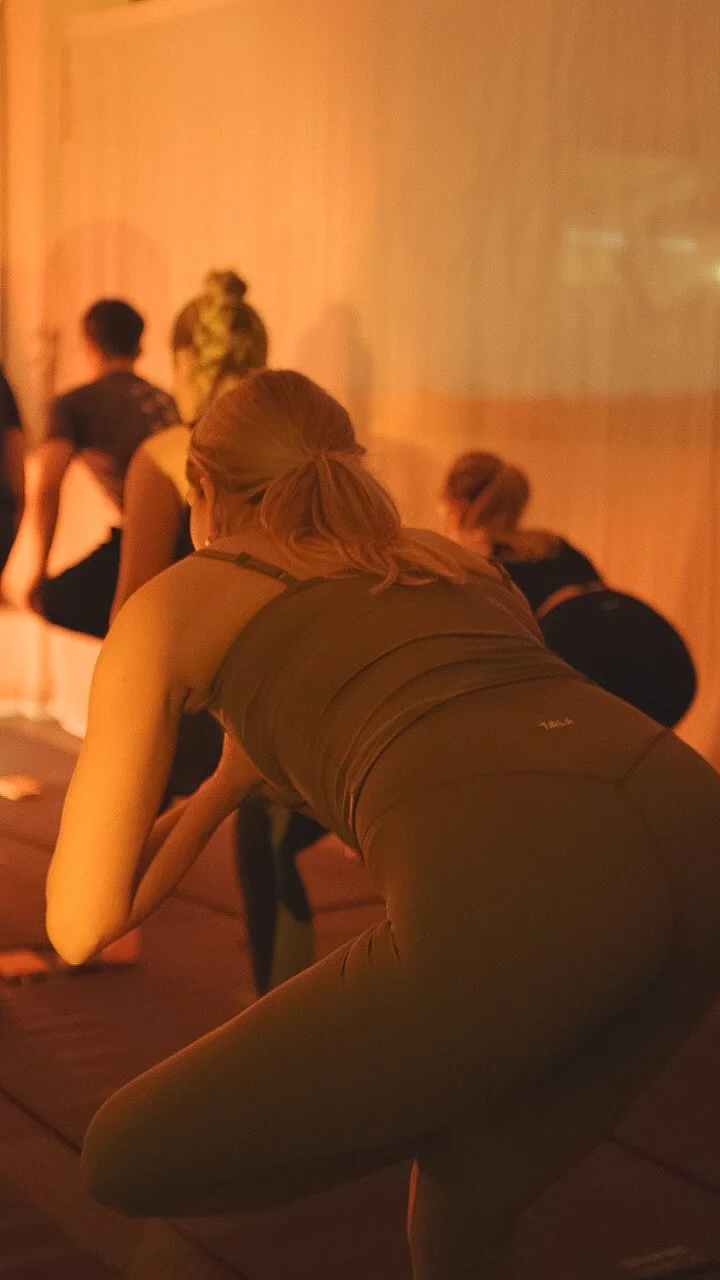
Rootra Yoga
A deepening vinyasa flow that brings you back into your body.
Each session designed to release tension, deepen your breath, and help you feel more centred.
-
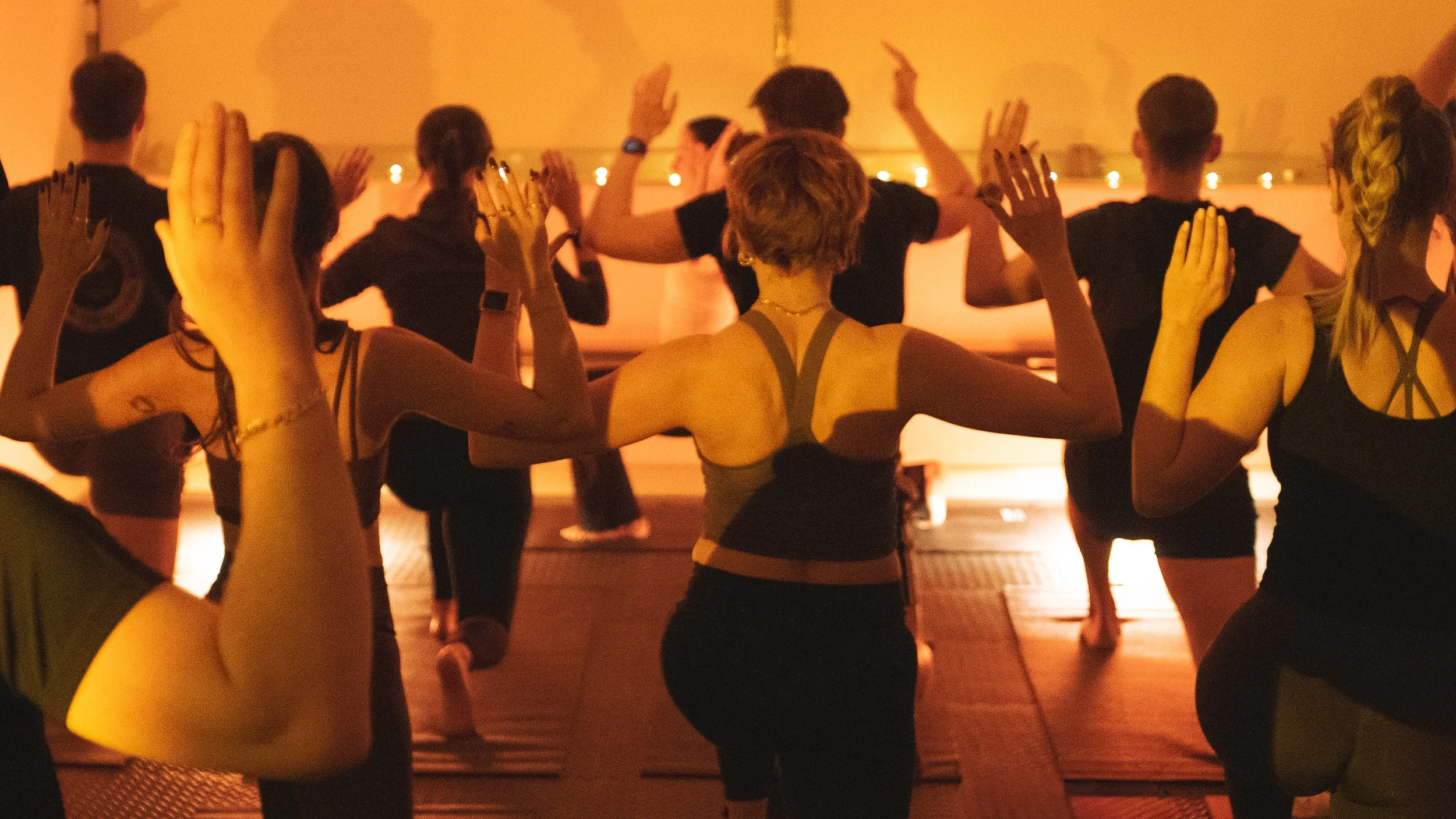
Rootra Reset
Mind-body reset with reflection, movement and connection.
A unique blend of yoga, meditation and journaling, followed by homemade wellness shots to support recovery.