
The Benefits of Yoga and Meditation
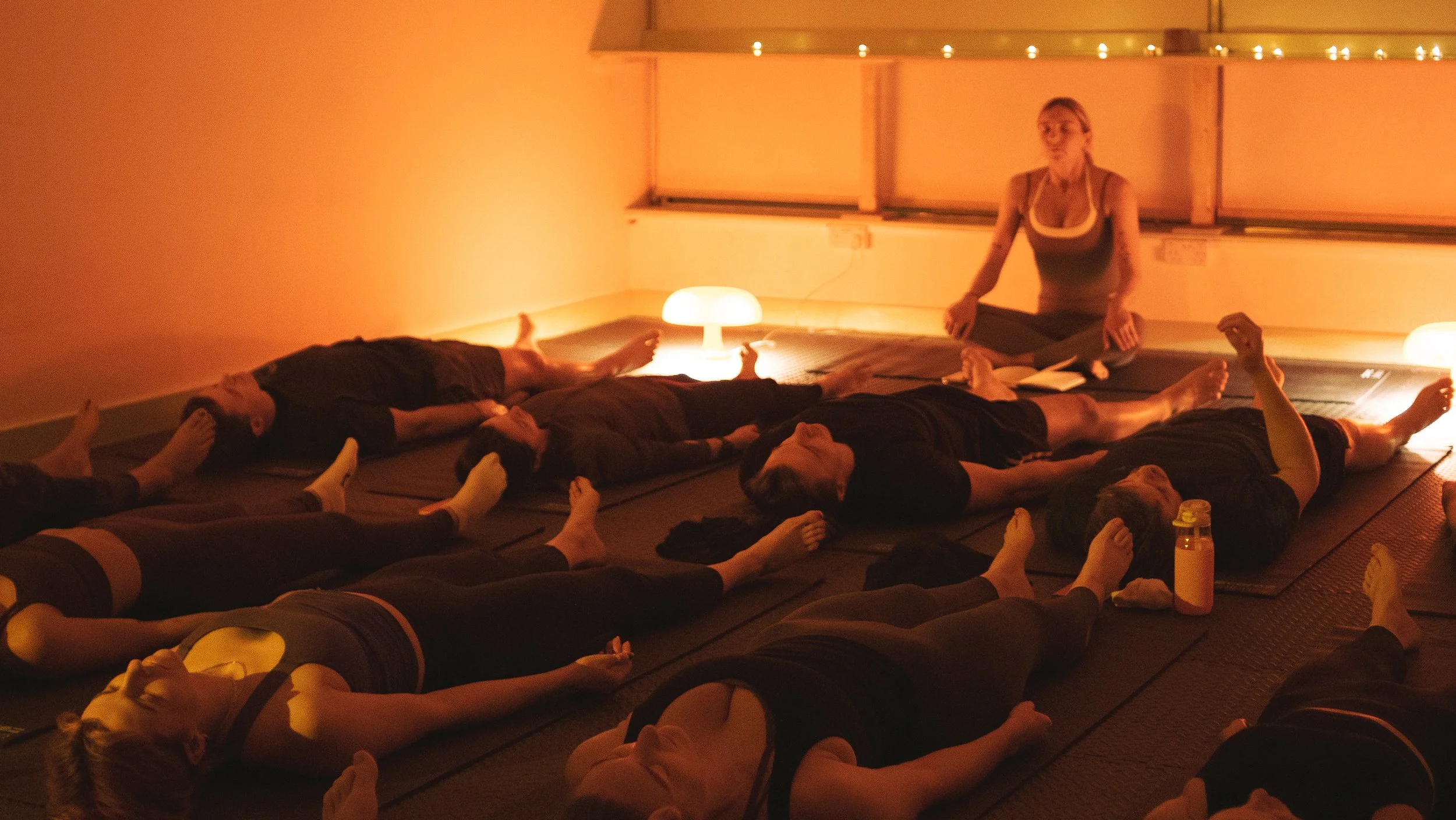
Table of Contents
Introduction
What is Yoga?
Benefits of Yoga
What is Meditation?
Benefits of Meditation
How Do Yoga and Meditation Combine?
Are Yoga and Meditation Suitable for Beginners?
Explore Yoga and Meditation at Rootra
FAQs
Life today rarely slows down. Between work demands, constant notifications, and the pressure to stay productive, it’s easy to feel mentally drained and physically tense.
Many people are looking for ways to feel more balanced without adding complexity to their routines. Yoga and meditation offer simple, effective practices to reconnect with yourself and support long-term wellbeing.
At Rootra, wellbeing is approached realistically. It is not about perfection or strict routines, but about building small, sustainable habits that support both body and mind. Yoga and meditation fit naturally into this philosophy, providing a holistic approach to modern life.
What is Yoga?
Yoga is a centuries-old practice that combines physical movement, breath control, and mindful awareness.
While often associated with flexibility and fitness, yoga goes beyond the physical. It is a practice designed to align the body, mind, and energy, helping you feel more balanced and aware in everyday life.
Yoga can take many forms, from gentle stretching routines to more challenging flows, but the core principle remains the same: mindful movement. It teaches the body to move efficiently, release tension, and improve posture, while simultaneously calming the mind.

Benefits of Yoga
The benefits of yoga allow you to support your physical, mental, and emotional health in several ways:
Physical Strength and Flexibility
Regular yoga practice gradually improves flexibility and strengthens muscles. Movements involve holding and balancing the body, which builds functional strength and stability.
Reduced Tension and Pain
Yoga releases stiffness in common problem areas like the shoulders, neck, and lower back. Controlled stretching relieves tension, improves posture, and supports better overall alignment.
Improved Circulation and Energy
Flowing movements and deep breathing increase blood circulation, which helps deliver oxygen and nutrients to the body efficiently. This contributes to sustained energy and overall physical health.
Better Sleep and Recovery
By releasing tension and promoting relaxation, yoga can improve sleep quality and support recovery after physical or mental exertion.
Stress Reduction
The combination of mindful movement and breath work activates the body’s relaxation response, lowering stress levels and leaving the body and mind calmer.
What is Meditation?
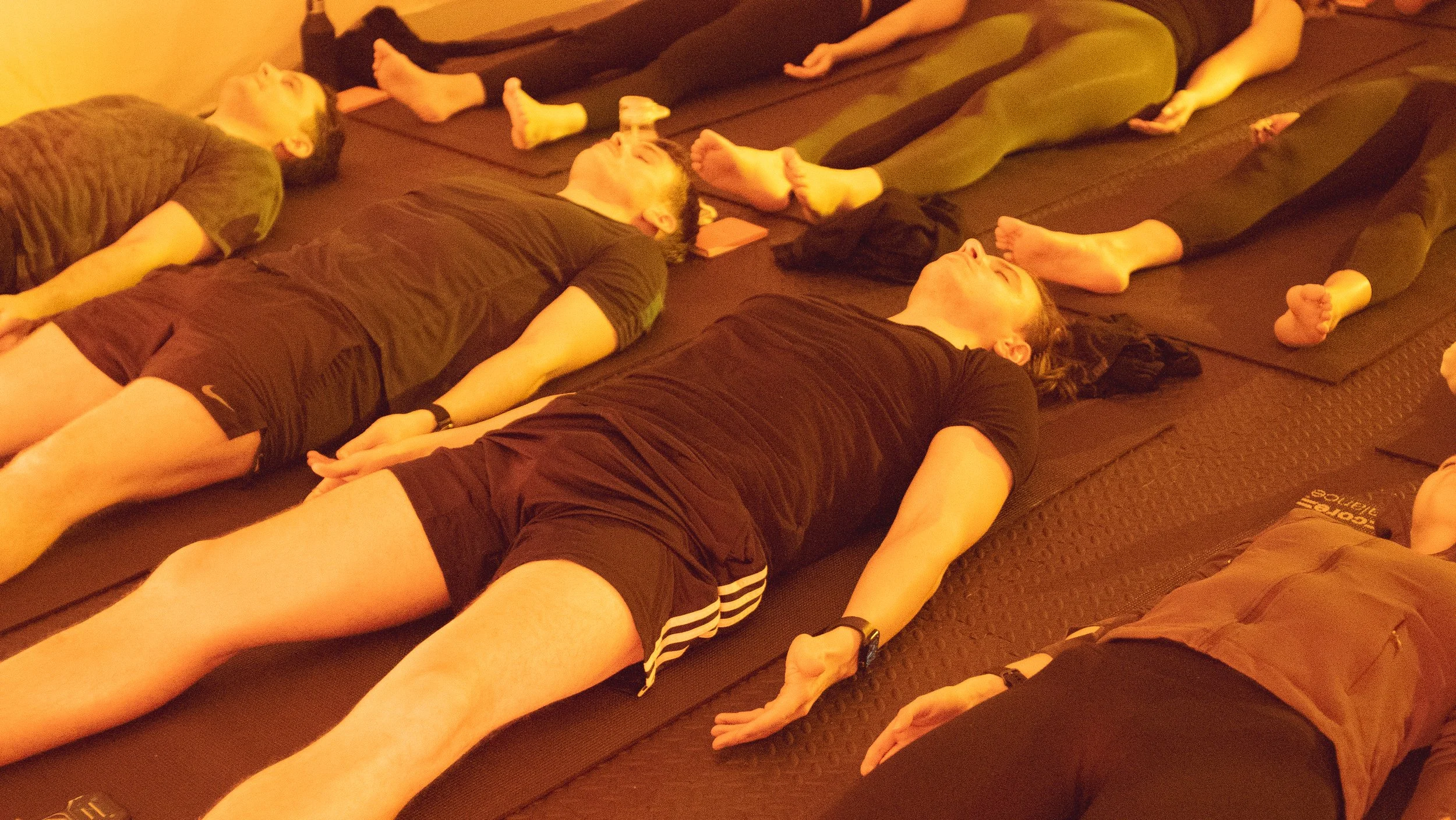
Meditation is the practice of focusing attention and cultivating awareness. It is designed to quiet the mind, observe thoughts without judgment, and create mental clarity.
Meditation can be practised in many ways, including focusing on the breath, using guided audio, or simply sitting in silence.
Unlike yoga, meditation does not require physical movement. Instead, it works directly on mental and emotional wellbeing. Regular meditation creates space in the mind, allowing for greater calm, focus, and self-awareness.
Benefits of Meditation
Meditation provides powerful mental and emotional support:
Stress Relief and Calmness
Meditation helps reduce the mental noise of daily life, lowering stress levels and promoting a sense of inner peace.
Improved Focus and Concentration
By training the mind to stay present, meditation enhances attention and mental clarity, improving productivity and decision-making.
Emotional Awareness and Stability
Meditation fosters the ability to observe thoughts and feelings without immediate reaction, leading to greater emotional balance and patience.
Better Sleep
Regular meditation helps relax the mind and body, making it easier to fall asleep and achieve deeper, more restorative rest.
Self-Awareness and Mental Clarity
Meditation provides space for reflection and introspection, helping you understand your thoughts, patterns, and behaviours, leading to more intentional actions.

How Do Yoga and Meditation Combine?
While yoga and meditation can be practised individually, combining them creates a balanced approach to wellbeing.
Yoga prepares the body by releasing tension and improving circulation, which makes sitting for meditation more comfortable. Meditation then deepens awareness, extending the calm and focus achieved through yoga.
Together, these practices support both physical and mental health, creating harmony between body and mind. At Rootra, integrating yoga and meditation is considered a simple, sustainable routine that enhances overall wellness.
Is Yoga and Meditation Suitable for Everyone?
Yes, yoga and meditation are highly adaptable practices suitable for people of all ages and fitness levels. Beginners can start with short sessions and gradually increase duration and intensity.
The focus is on consistency rather than perfection, making it easy to incorporate these practices into daily life.
Explore Yoga and Meditation at Rootra
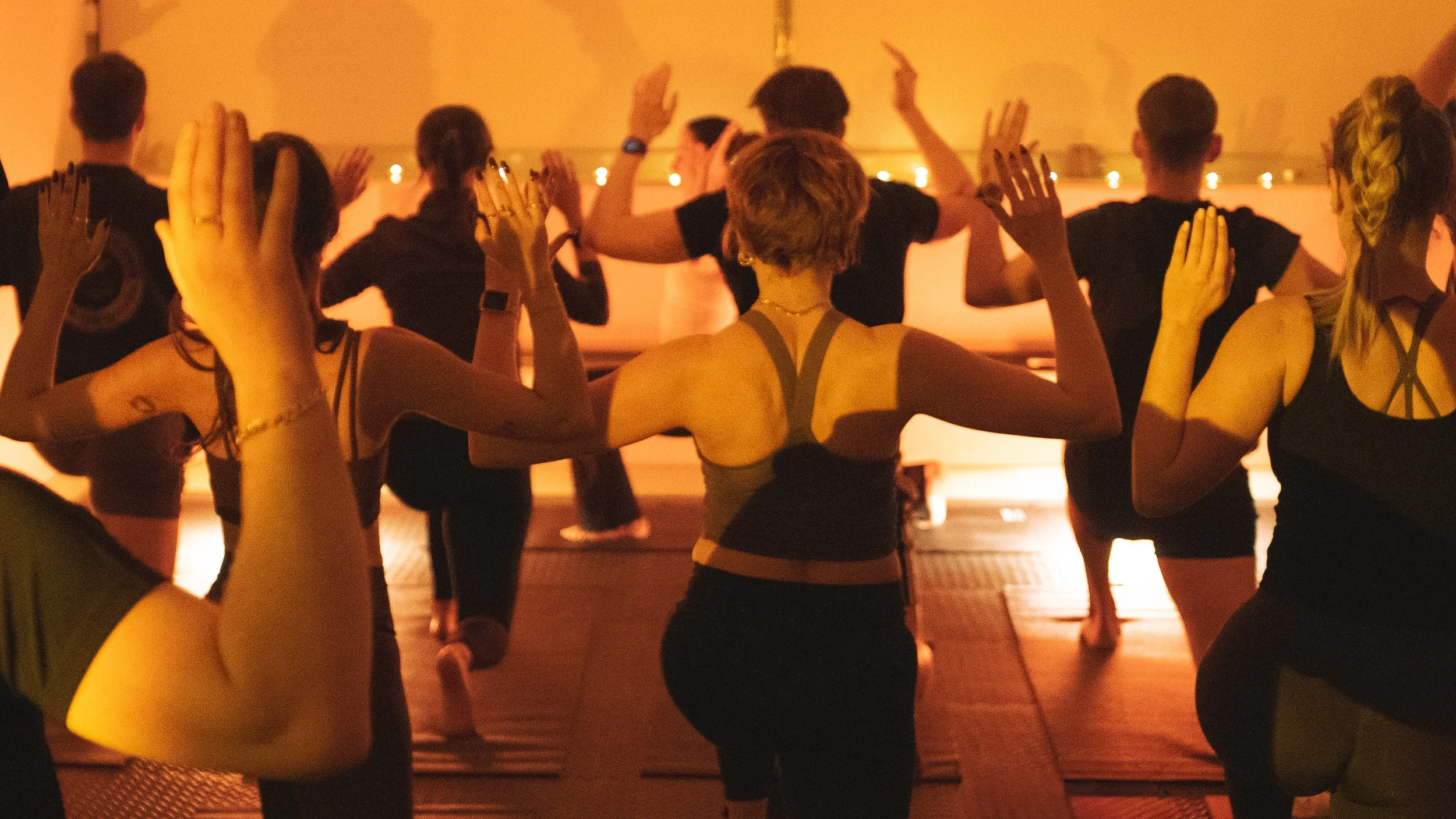
Yoga and meditation each offer unique benefits. Yoga strengthens and stretches the body, improves posture, and reduces tension.
Meditation calms the mind, improves focus, and supports emotional wellbeing. Together or individually, they provide a simple, effective, and sustainable path to better health.
If you are looking for a yoga and meditation practice that supports both body and mind, our Rootra:Reset session offers a steady, welcoming space to begin reconnecting with yourself.
Book your Rootra Yoga session
FAQs
What is yoga and why is it beneficial?
Yoga is a practice that combines movement, breathing, and mindfulness to support both physical and mental wellbeing. It helps improve flexibility, build strength, reduce stress, and enhance overall body awareness. For many people in the UK, yoga is an accessible way to stay active while also supporting mental health.
What are the key benefits of meditation?
Meditation helps calm the mind, reduce stress, and improve focus. It encourages you to observe your thoughts without reacting to them, which can lead to better emotional balance and clearer thinking. Regular meditation is also linked to improved sleep and reduced anxiety.
How long should you practice yoga and meditation each day?
Even short sessions can be effective. Practising yoga or meditation for 10 to 20 minutes a day can provide noticeable benefits when done consistently. The key is regularity rather than duration, making it easy to fit into a busy lifestyle.
Can yoga and meditation help with stress and anxiety?
Yes, both yoga and meditation are widely used to help manage stress and anxiety. Yoga reduces physical tension in the body, while meditation helps quiet the mind. Together, they support a calmer nervous system and a greater sense of control and relaxation.
Is yoga or meditation better for beginners?
Both are suitable for beginners. Yoga may feel more accessible at first because it involves physical movement, while meditation focuses on stillness and attention. Many people start with yoga and gradually introduce meditation into their routine for a balanced approach.
