
10 Advantages of Yoga to Benefit You
Life can feel overwhelming at times. Between busy schedules, work demands, and constant screen time, it’s easy to feel disconnected from your own wellbeing. That’s one reason yoga has become so popular around the world.
Originating thousands of years ago in India, yoga combines physical postures, breathing techniques, and mindfulness to support both the body and the mind.
Whether you’re completely new to yoga or already practising regularly, the benefits go far beyond flexibility.
What are the advantages of yoga?
Below are ten advantages of yoga that can positively impact your health, mindset, and overall lifestyle.
1. Improves flexibility
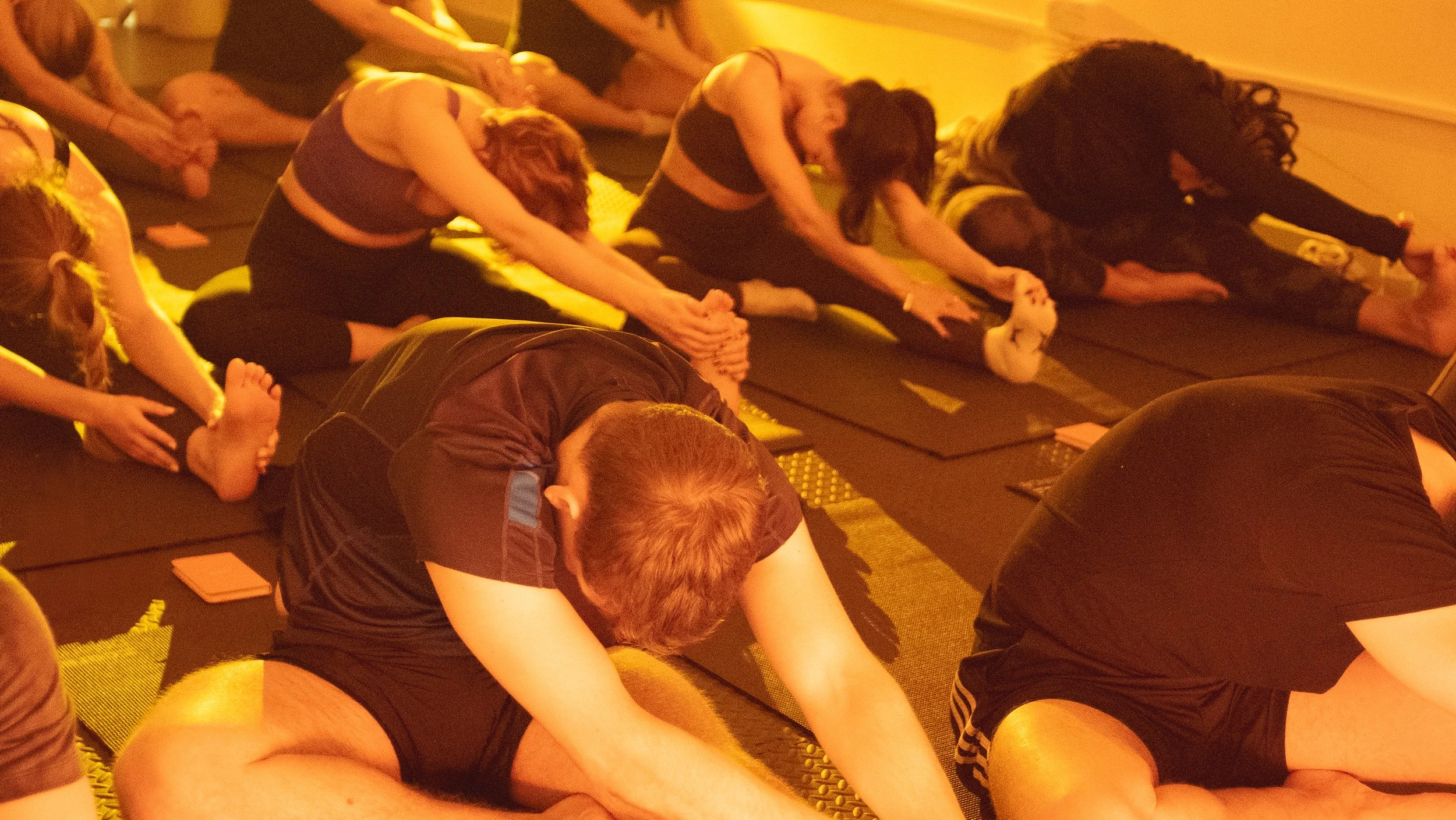
One of the most well-known advantages of yoga is improved flexibility. Many people begin practising yoga because they feel stiff or tight from daily activities, such as sitting at a desk or commuting for long hours. Yoga helps stretch and lengthen the muscles, gradually improving your range of motion.
With consistent practice, movements that once felt difficult can become easier. Improved flexibility can help reduce muscle tension, support better posture, and lower the risk of injuries during other forms of exercise or everyday activities.
Over time, your body becomes more comfortable moving freely, which can improve overall mobility and daily comfort.

2. Builds strength
Although yoga is often associated with stretching, it can also be an effective way to build strength.
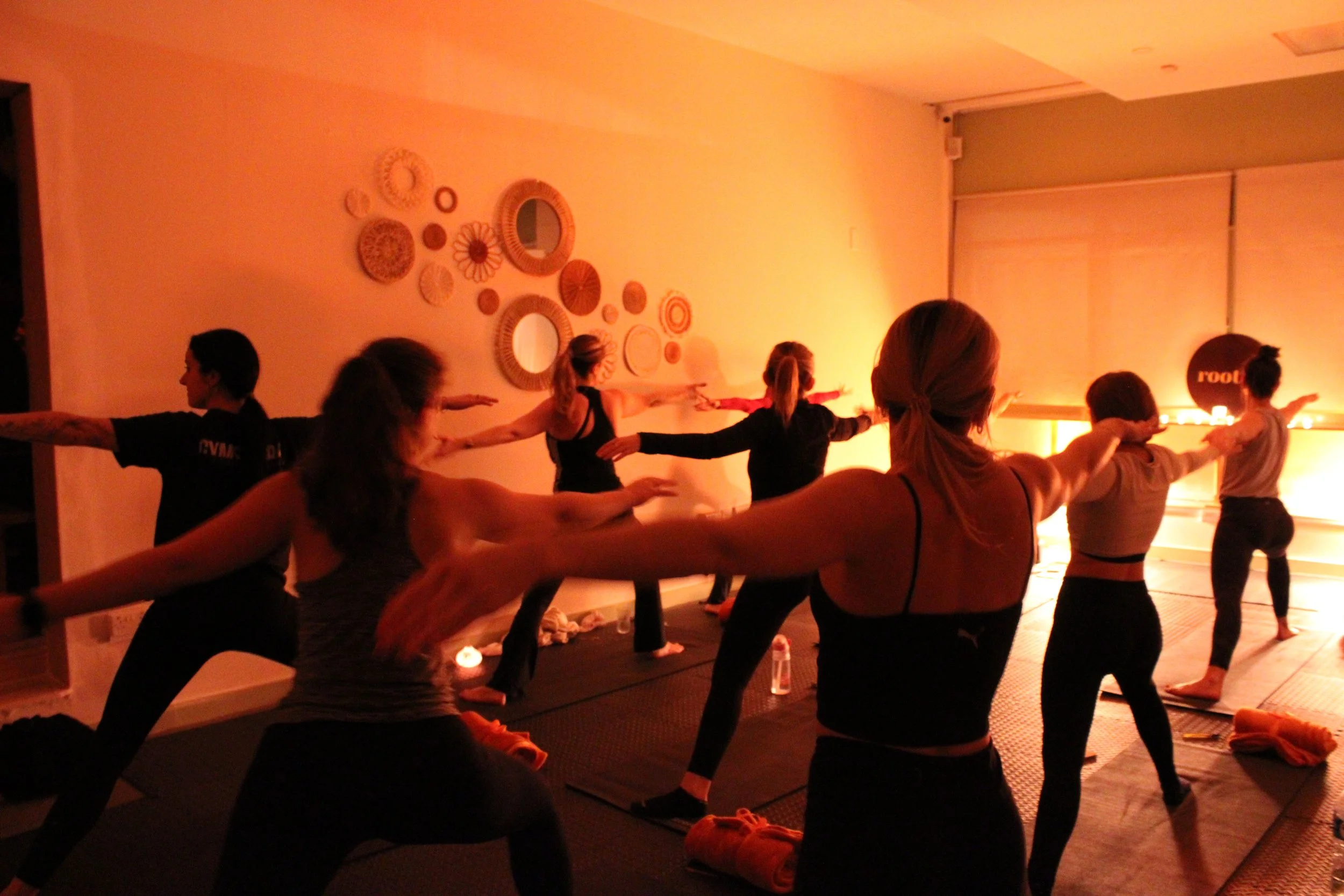
Many yoga poses require you to support your own body weight, which activates muscles throughout the body. Poses such as planks, warriors, and balance poses strengthen the arms, legs, back, and core.
These movements help build functional strength that supports everyday activities such as lifting, bending, and maintaining good posture.
Over time, regular yoga practice can improve muscle tone, endurance, and overall physical stability.
3. Reduces stress
Stress is a common challenge in modern life, and yoga offers a natural way to manage it. One key aspect of yoga is controlled breathing, usually through the nose. This helps activate the body’s relaxation response by stimulating the vagus nerve and parasympathetic nervous system.
Many people find that even a short yoga session can help them feel more relaxed and mentally refreshed by focusing on the present moment.
Practising yoga regularly can also help you build healthier responses to stress and improve your ability to cope with daily challenges.
4. Supports mental health
Yoga can play an important role in supporting mental and emotional wellbeing. The combination of physical movement, breathing exercises, and mindfulness helps create a sense of balance between the body and mind.
Many people report feeling calmer and more centred after practising yoga. The mindful nature of the practice encourages you to slow down and focus on the present moment, which can reduce negative thought patterns and improve mood.
Over time, yoga can help cultivate greater mental clarity and emotional resilience.
5. Improves balance and posture
Balance and posture are often overlooked aspects of physical health, but they are essential for long-term wellbeing. Poor posture can lead to muscle tension, back pain, and discomfort in the neck and shoulders, and it can even affect how internal organs function.
Slouching or hunching can compress the lungs, stomach, and intestines, potentially impacting breathing, digestion, and circulation.
Yoga includes many poses that strengthen the muscles responsible for stability and alignment. These poses improve body awareness, encourage proper posture throughout daily activities, and create space in the torso for internal organs to function optimally.
For example, gentle twists and stretches massage the digestive organs, support respiratory efficiency, and promote healthy circulation.
As your balance improves, you may also notice greater coordination and stability in other forms of movement, along with benefits to your internal systems, such as more comfortable digestion, deeper breathing, and improved organ health overall.

6. Enhances sleep quality
Getting enough quality sleep is essential for both physical and mental health. However, many people struggle to relax at the end of the day due to stress, overstimulation, or a busy mind that keeps overthinking and replaying the day’s events.
Yoga can help prepare the body for rest by calming the mind and releasing physical tension. Gentle stretching and breathing exercises encourage relaxation, making it easier to fall asleep and stay asleep.
Following yoga with meditation can deepen this effect, helping to quiet mental chatter and create a sense of inner calm that carries into the night, further supporting restorative sleep.
Practising yoga regularly, especially in the evening, may help improve sleep patterns and promote deeper, more restorative rest.
At Rootra Reset, one of our guests said:
“My mental health often affects my sleep, and my smart watch sleep score usually sits around 80. After attending Rootra: Reset, with yoga, meditation and journalling, my sleep score jumped to 96 - the highest I can remember - which honestly says everything. I loved the session so much, it was deeply grounding and calming, and I’d rate the experience 5/5 without hesitation.”
7. Boosts energy levels
Although yoga is often relaxing, it can also increase energy levels. By improving circulation and encouraging deeper breathing, yoga helps deliver more oxygen throughout the body.
This increased oxygen flow can leave you feeling refreshed and more alert. Many people find that practising yoga in the morning helps them start the day with greater focus and motivation.
Even a short session can provide a natural energy boost without relying on caffeine or other stimulants. At Rootra, we call this the ‘post-yoga high’ - something we give space for at the end of each Rootra Reset session.
8. Supports heart health
Yoga can contribute to better cardiovascular health when combined with a balanced lifestyle.
Regular practice has been associated with improved circulation, reduced stress, and healthier blood pressure levels.
Because yoga encourages relaxation and mindful breathing, it may help reduce some of the lifestyle factors that contribute to heart-related health issues.
While it should not replace medical advice, yoga can be a valuable addition to a heart-healthy routine.
9. Encourages mindfulness
Mindfulness is the practice of being fully present in the moment, and yoga naturally encourages this awareness. During yoga, attention is placed on breathing, posture, and movement.
This focus helps reduce distractions and encourages a deeper connection between the body and mind. Over time, mindfulness developed through yoga can carry into everyday life.
Many people find they become more aware of their habits, reactions, and emotions, which can lead to healthier lifestyle choices, increased self-awareness and improved overall wellbeing.
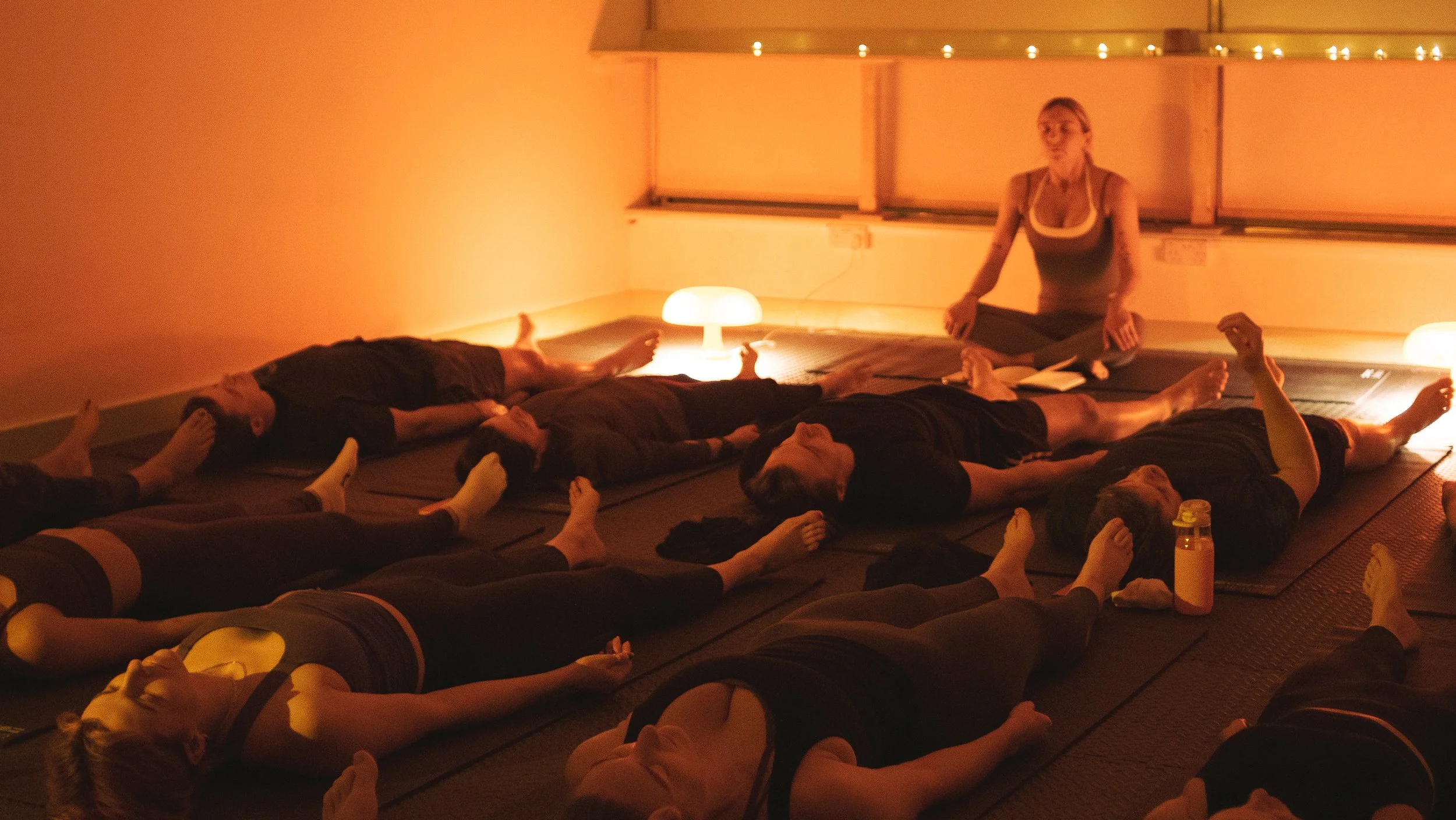
10. Promotes overall wellbeing
Perhaps the most powerful advantage of yoga is its holistic approach to health.
Instead of focusing on just one aspect of fitness, yoga supports physical strength, flexibility, mental clarity, and emotional balance.
As there are many different styles and levels of yoga, the practice can easily be adapted to suit individual needs.
Whether you prefer gentle, restorative sessions or more dynamic flows, yoga provides a flexible and sustainable way to care for your overall wellbeing.
Final Thoughts
Yoga offers far more than just physical exercise. From improving flexibility and strength to supporting mental wellbeing and reducing stress, it’s a practice that benefits both the body and mind.
By incorporating yoga into your routine, even a few times a week, you can develop healthier habits and create a stronger sense of balance in everyday life. The beauty of yoga is that it can be adapted to suit your lifestyle and experience level.
Whether you prefer a slow, mindful session or a more energetic flow, the long-term benefits of yoga can support a healthier, more balanced way of living.
Explore Yoga at Rootra
If you’re ready to experience the benefits of yoga for yourself, Rootra offers a welcoming space to begin or deepen your practice.
Our classes are Vinyasa Flow, designed for all levels, helping you build strength, improve flexibility, and find moments of calm in your routine.
If you are looking for a yoga practice in London that supports both body and mind, Rootra offers a steady, welcoming space to begin reconnecting with yourself.
Book your Rootra Yoga session
FAQs
What are the main advantages of yoga?
The main advantages of yoga include improved flexibility, increased strength, reduced stress, better posture, improved sleep, and enhanced mental wellbeing. Regular practice also supports balance, mindfulness, and overall physical health.
How often should you practise yoga to see benefits?
Many people begin to notice benefits when practising yoga two to three times per week. However, even short sessions of 15–20 minutes can help improve flexibility, boost energy levels, and reduce stress. Consistency is usually more important than the length of each session.
Is yoga suitable for beginners?
Yes, yoga is suitable for beginners. Many yoga classes are designed for beginners and focus on simple poses and gentle movements. Beginners can start slowly and gradually increase intensity as their strength and flexibility improve.
Can yoga help reduce stress and anxiety?
Yes, yoga can help reduce stress and anxiety. The breathing techniques and mindful movements used in yoga help calm the nervous system and encourage relaxation. Over time, this can improve emotional balance and resilience.
Can yoga replace other forms of exercise?
Yoga offers many health benefits, but it works best as part of a balanced fitness routine. Combining yoga with other activities, such as walking, strength training, or cardio, can support overall fitness and well-being.
