
What is Vinyasa Flow Yoga?
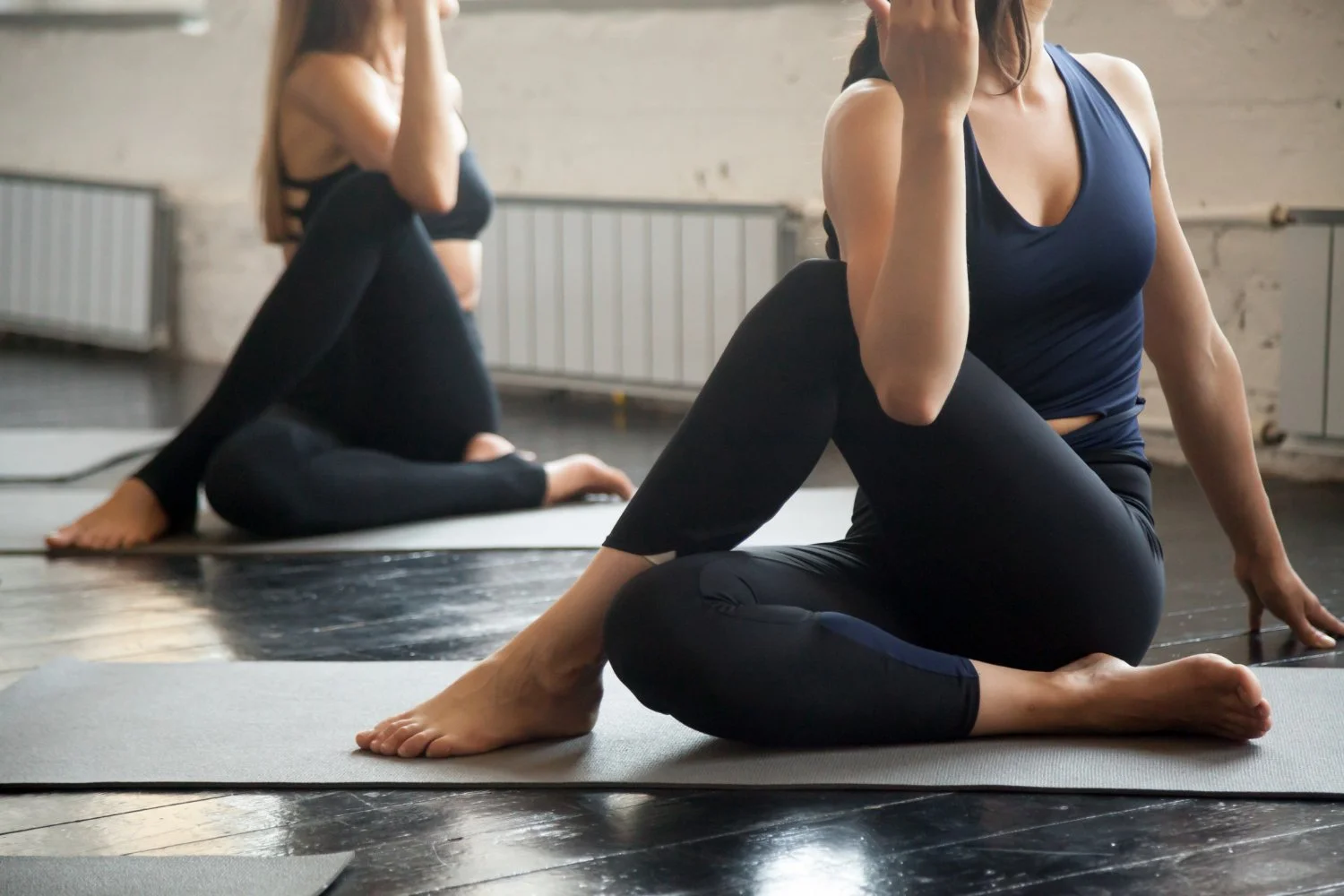
Vinyasa Flow is one of those yoga styles many people have heard of, but not everyone feels clear about what it actually is. Some expect it to be fast and intense. Others worry it might feel overwhelming or too technical.
In reality, Vinyasa Flow is less about how advanced the poses are and more about how movement, breath, and awareness come together in a way that feels natural and supportive.
At Rootra, Vinyasa Flow is offered as a grounding and reflective practice. It is not about performance or “doing it right”.
It’s about creating space to move, breathe, and reconnect with yourself in a way that feels steady and calm.
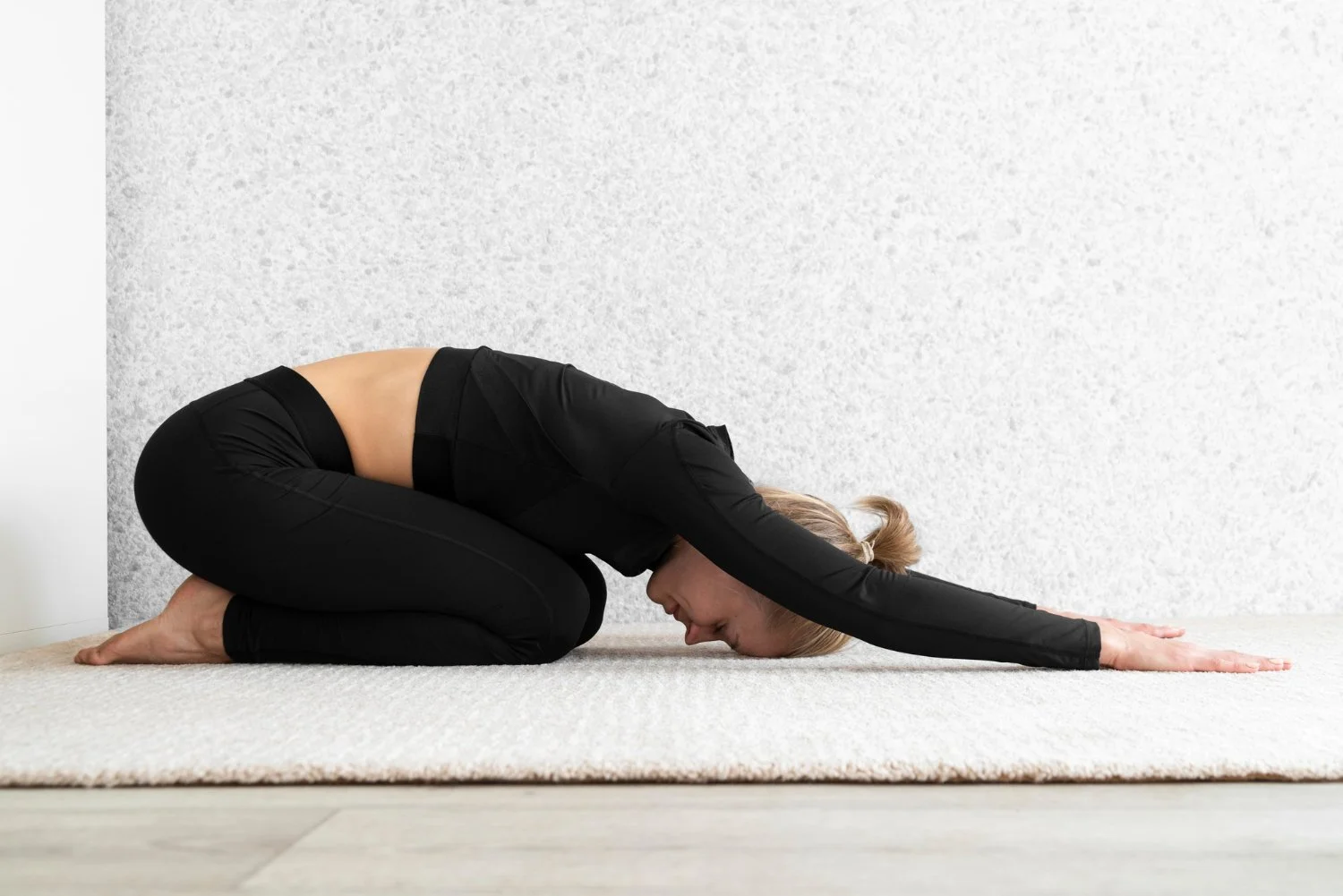
What is Vinyasa Flow Yoga?
Vinyasa Flow is a dynamic style of yoga that links movement with breath in a continuous, fluid sequence of poses.
Rather than holding postures for long periods, practitioners move smoothly from one pose to the next, creating a rhythmic and often meditative experience.
The practice develops mindfulness, strength, flexibility, and breath awareness all at once.
What happens in a Vinyasa Flow class?
Every teacher and space brings their own flavour to Vinyasa Flow, but most classes follow a similar rhythm.
Classes usually begin with a few moments to arrive. This might include gentle breathing, small movements, or simply noticing how you feel as you settle onto the mat.
This beginning matters because it creates a bridge between the outside world and the practice itself.
From there, the class gradually builds into flowing sequences. You move through poses linked by the breath, often repeating and building on patterns of movement, to help the body learn the rhythm.
Movements are offered with options, so you can choose what feels supportive and accessible for you on the day.
Towards the end, the pace slows again. Resting poses and stillness give your body and nervous system time to absorb the practice. This final pause is just as important as the movement itself, as it helps deepen the resetting of the nervous system.
If you are curious about how vinyasa flow fits into our wellbeing sessions, you can explore our Rootra Reset sessions.
What are common poses in Vinyasa Flow?
Vinyasa Flow is known for its smooth, continuous movement synchronised with breath. While no two Vinyasa classes are exactly the same, many sequences are built around a core set of foundational poses.
These poses create rhythm, build strength and flexibility, and allow practitioners to move fluidly from one shape to the next.
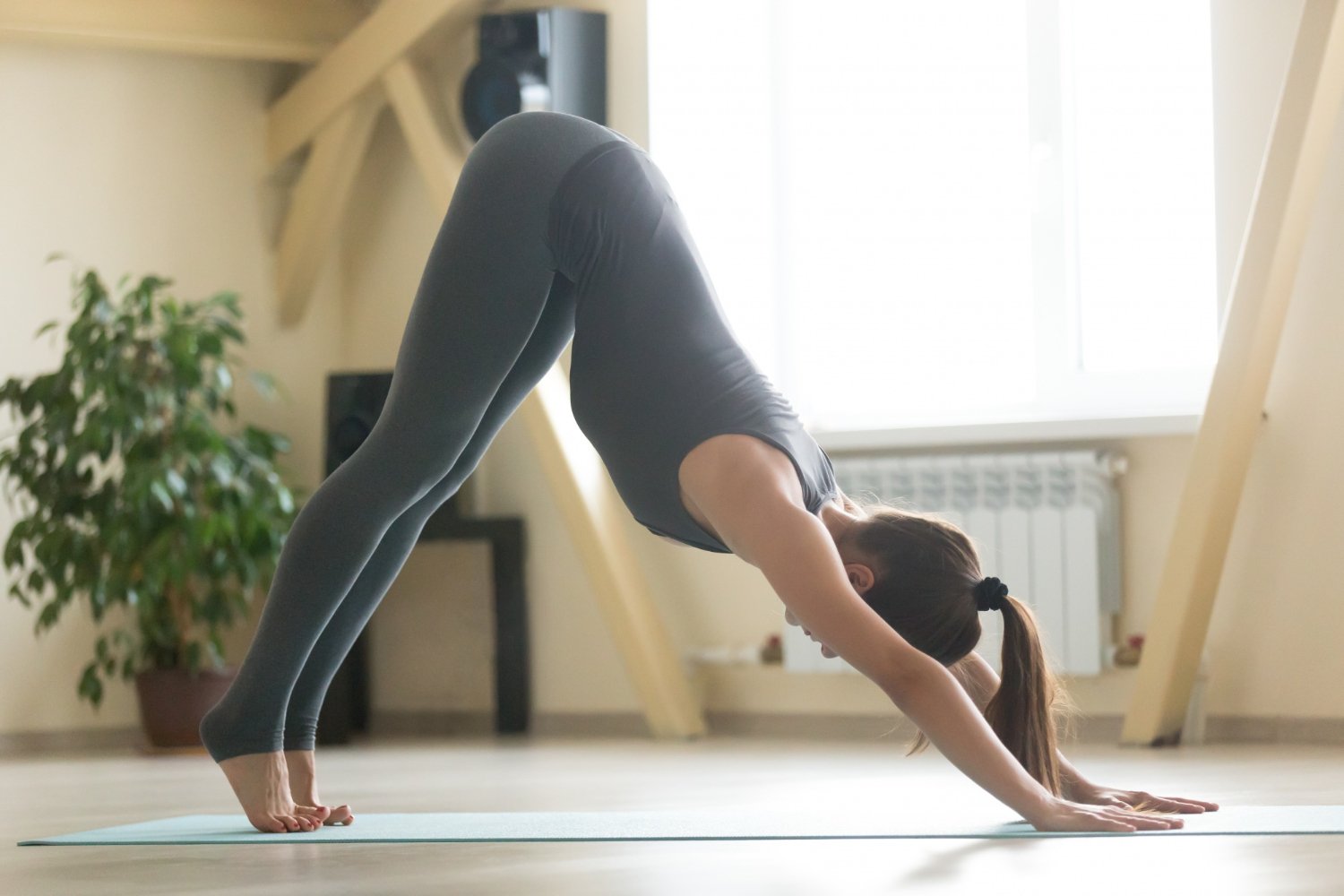
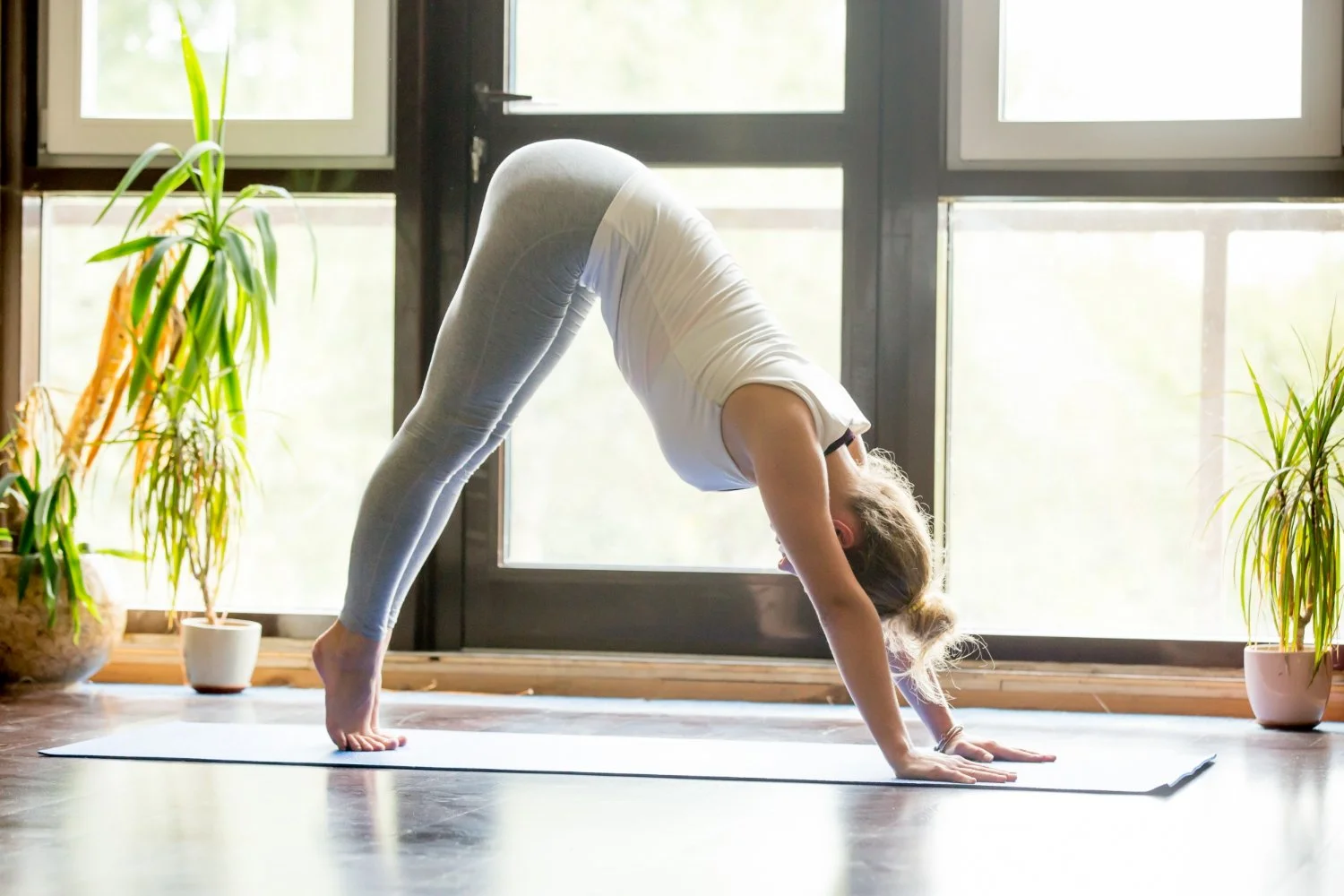
Downward-Facing Dog (Adho Mukha Svanasana)
Downward-Facing Dog is one of the most frequently repeated poses in Vinyasa Flow. It serves as both a resting posture and a transition point between sequences.
This pose stretches the hamstrings, calves, shoulders, and spine while building upper-body strength. In Vinyasa, it’s often used to reset the breath before moving forward into the next flow.
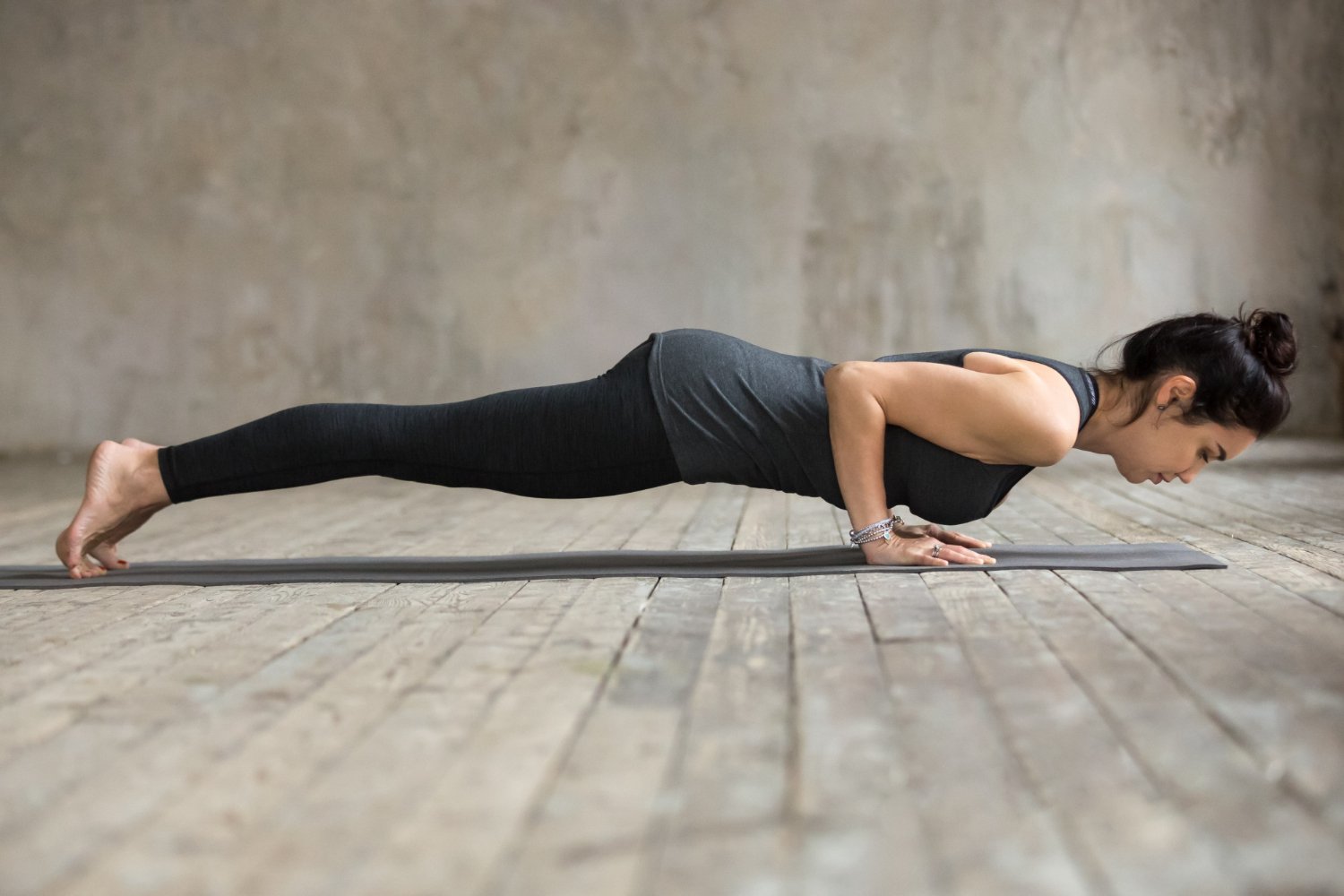
Plank and Chaturanga
Plank Pose and Chaturanga Dandasana are key strength-building poses in Vinyasa Flow.
Plank helps develop core stability and shoulder strength, while Chaturanga serves as a low, controlled push-up that helps transition the body toward backbends, like upward facing dog and cobra poses.
Correct alignment is essential in these poses to protect the shoulders and maintain smooth, mindful movement. Our yoga practitioners are there to guide you through their cues and demonstrations to ensure your alignment is correct.
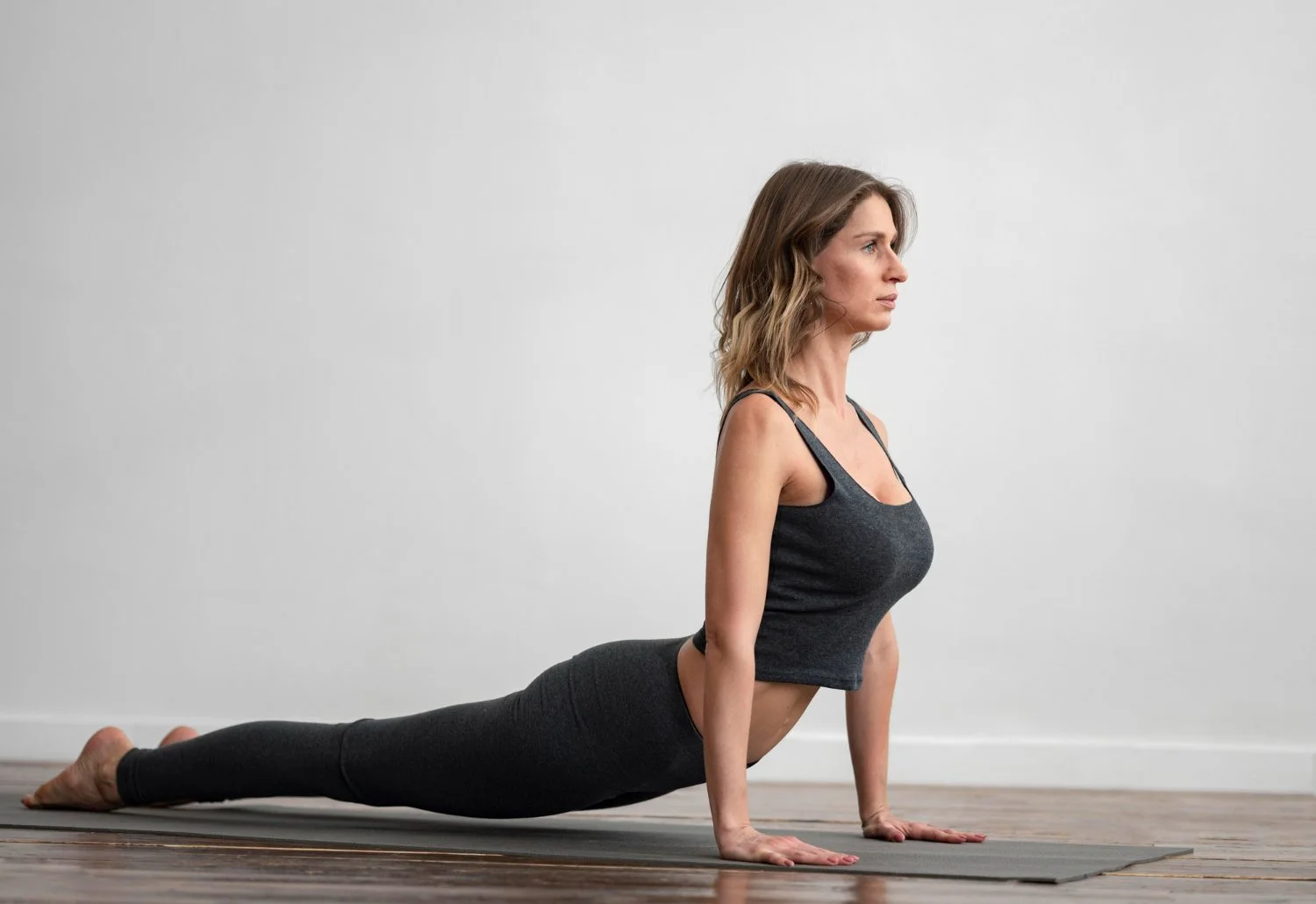
Upward-Facing Dog and Cobra
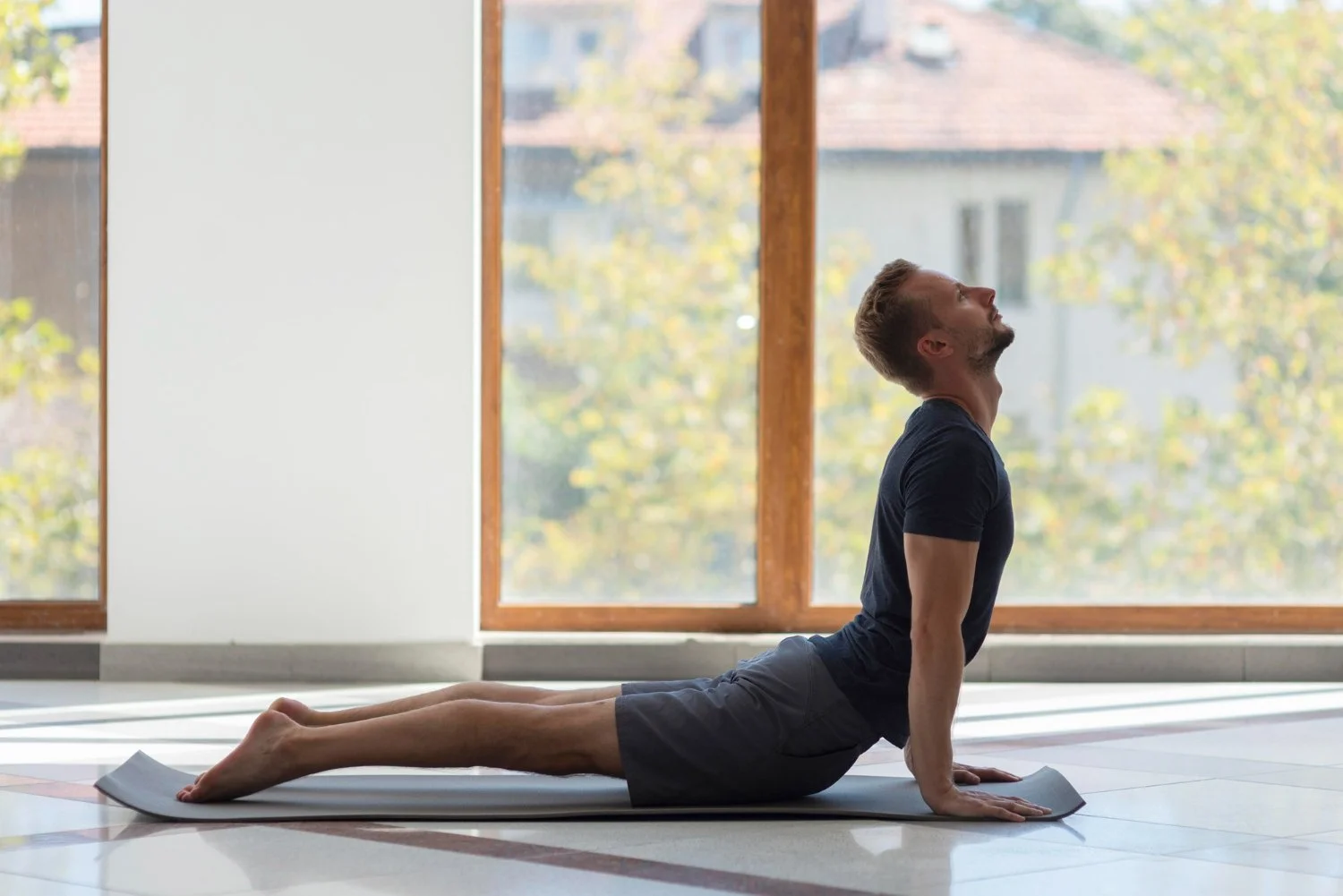
Backbends like Upward-Facing Dog (Urdhva Mukha Svanasana) and Cobra Pose (Bhujangasana) frequently appear after Chaturanga.
These poses open the chest, stretch the front of the body, and counterbalance forward-folding movements.
In Vinyasa Flow, they are often cued with an inhale to emphasise expansion and energy.
Warrior Poses (Virabhadrasana I, II, and III)
Warrior poses are staples in standing Vinyasa sequences. Warrior I and II build lower-body strength and stability, while Warrior III challenges balance and focus.
These poses help cultivate both physical power and mental concentration, making them central to the energetic feel of a Vinyasa class.

Standing Balances
Vinyasa Flow often incorporates balancing poses such as Tree Pose, Half Moon Pose, and Eagle Pose. These postures require coordination, core engagement, and steady breathing.
Standing balance poses add variety to sequences and encourage mindfulness by demanding full attention in each moment.
Seated Twists and Folds
Toward the latter part of a Vinyasa class, seated poses like Seated Forward Fold or spinal twists are commonly introduced.
These poses help release tension, lengthen the spine, and calm the nervous system after more vigorous flows.

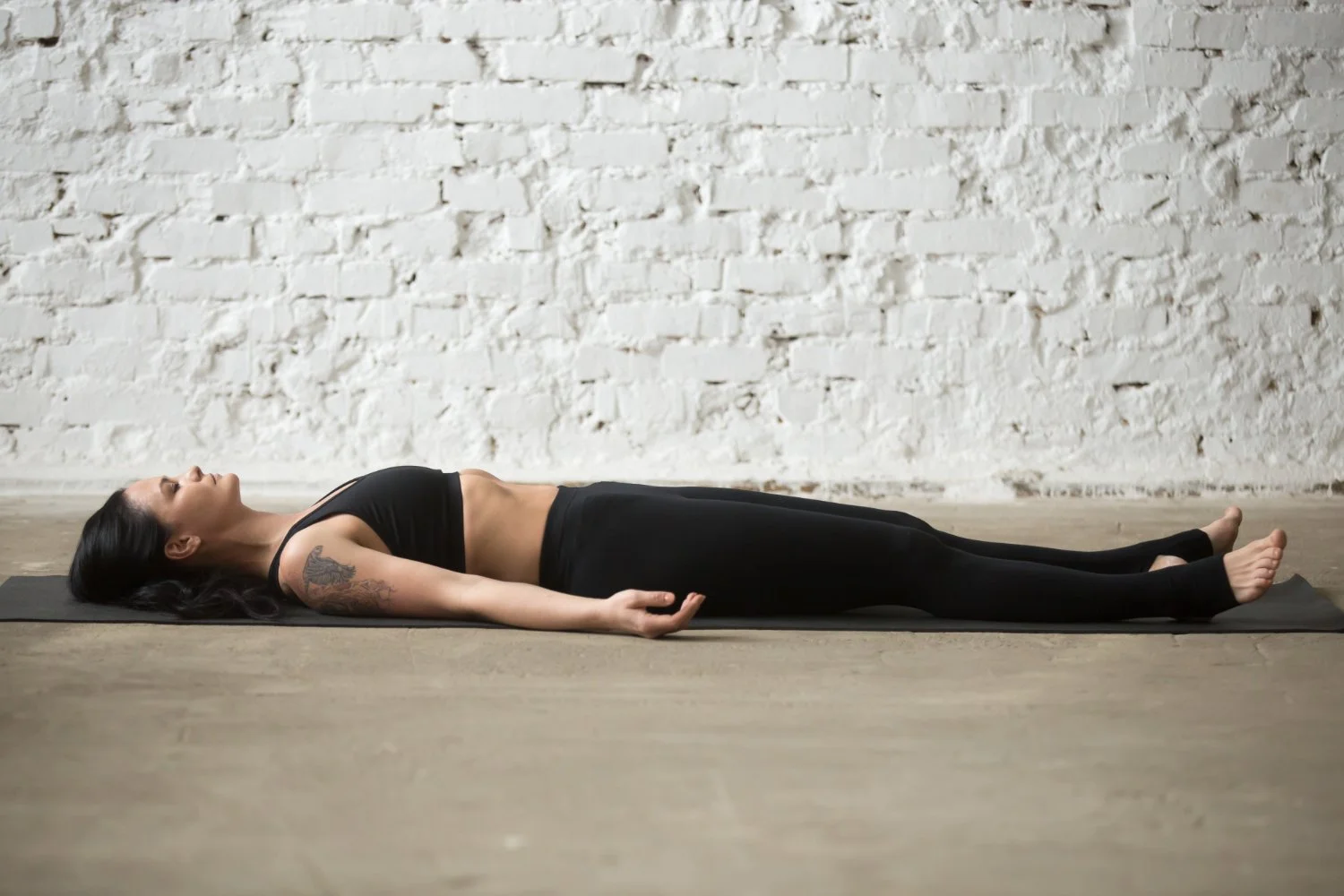
Final Resting Pose (Savasana)
Every Vinyasa Flow practice traditionally ends with Savasana. While it may look simple, this resting pose is essential for integrating the practice's benefits.
It allows the body to fully relax and the mind to settle, completing the arc of movement, breath, and awareness.
How is Vinyasa Flow different from other yoga styles?
Vinyasa Flow is often described as creative because there is no fixed sequence. Unlike some traditional styles where the same poses appear in the same order every time, Vinyasa allows for variation and responsiveness.
Compared to slower styles, it can feel more fluid and expressive. Compared to very strong or fitness-focused classes, Vinyasa at Rootra is softer and more nervous system aware. The intention is not to exhaust you, but to help you feel more connected and settled by the end of the class.
This makes it especially supportive for people who are carrying stress, feeling overwhelmed, or wanting movement that supports emotional wellbeing as much as physical health.
Is Vinyasa Flow suitable for beginners?
Yes, absolutely. You do not need to be flexible, strong, or experienced to attend a Vinyasa Flow class at Rootra. Classes are guided with clear language, encouragement to listen to your body, and regular reminders that rest is always an option.
Many people actually find Vinyasa Flow helpful when they are new to yoga because it invites curiosity rather than perfection. You are encouraged to move in a way that feels right for you, rather than trying to copy anyone else.
If you are also interested in more personal support alongside movement, you may want to explore our Rootra Therapy sessions.
The mental and emotional benefits of Vinyasa Flow
Vinyasa Flow offers more than physical movement. When practised with awareness, it can support both mental clarity and emotional balance.
Mental benefits of Vinyasa Flow
• Helps quiet a busy or overactive mind
• Supports focus and present-moment awareness
• Creates mental space away from constant thinking or worrying
• Encourages clarity and a sense of mental reset
• Helps reduce stress before it builds into overwhelm
Emotional benefits of Vinyasa Flow
• Supports emotional regulation through breath-led movement
• Helps release held tension and emotional build-up
• Encourages a sense of calm and grounding
• Builds emotional resilience over time
• Supports feeling more connected to your body and inner experience
Join the Vinyasa Flow at Rootra
At Rootra, Vinyasa Flow is an invitation rather than a demand. It is a space to move gently, breathe fully, and reconnect with yourself without pressure.
Classes are designed to support real life. That means meeting you where you are, whether you arrive feeling calm, tired, overwhelmed, or somewhere in between. The aim is not to leave feeling drained, but to leave feeling a little steadier, present, and connected than when you arrived.
If you are looking for a yoga practice in London that supports both body and mind, Vinyasa Flow at Rootra offers a steady, welcoming space to begin reconnecting with yourself. Discover the benefits of yoga to benefit you today!
Book your Rootra Yoga session
FAQs
What is Vinyasa Flow Yoga?
Vinyasa Flow Yoga is a style of yoga where movement is linked with the breath. Poses flow from one to the next in a continuous, mindful way rather than being held for long periods.
Each class can feel slightly different, but the focus is always on moving with awareness, building a connection between body and mind, and responding to how you feel on the day.
At Rootra, Vinyasa Flow is offered as a supportive, grounding practice rather than a performance-based one.
Is Vinyasa Flow Yoga suitable for beginners?
Yes, Vinyasa Flow Yoga can be suitable for beginners, especially when taught in an accessible and inclusive way. You do not need prior yoga experience, flexibility, or strength to attend.
Rootra classes are guided with clear cues, options to modify movements, and regular encouragement to rest when needed. Beginners are invited to move at their own pace and focus on how the practice feels rather than how it looks.
What should I expect in a Vinyasa class?
A Vinyasa class usually begins with a few moments to arrive, often through gentle breathing or slow movement. This is followed by flowing sequences of poses linked together with the breath, which may gradually build warmth and strength.
Towards the end of the class, the pace slows, and there is time for rest and stillness. You can expect a balance of movement, breath, and relaxation, with space to pause or modify throughout.
How does Vinyasa Flow benefit physical and mental health?
Physically, Vinyasa Flow can help build strength, improve mobility, support posture, and increase body awareness. Moving regularly with the breath also supports circulation and overall physical wellbeing.
Mentally and emotionally, Vinyasa Flow can help reduce stress, support emotional regulation, and create a sense of calm and clarity.
The breath-led nature of the practice encourages presence and helps the nervous system settle, making it supportive for everyday stress and overwhelm.
Are there any prerequisites or preparations for attending a Vinyasa class?
There are no prerequisites for attending a Vinyasa Flow class. You do not need to be flexible or experienced, and you are always encouraged to listen to your body.
It can help to wear comfortable clothing that allows you to move freely and to bring a water bottle. If you have any injuries, health concerns, or feel unsure, letting the teacher know before class can help ensure you feel supported.
At Rootra, the intention is to meet you where you are and offer a space that feels welcoming and safe from the moment you arrive.
